
Quick answer
An AC that gurgles or bubbles is moving either refrigerant or water. A soft gurgle for a minute or two after the system shuts off is refrigerant pressure equalizing and is normal. Bubbling that lasts the whole cooling cycle, with weak cooling or frost on the copper line, means a low charge from a leak. Gurgling at the furnace is the condensate drain or pump.
If your AC is making a gurgling or bubbling sound, a pipe that should be full of one thing is carrying two: liquid and vapour in the refrigerant line, or water and air in the drain. Where you hear it and when you hear it sort the causes quickly. A noise at the outdoor unit or along the copper lines is refrigerant. A noise low down at the furnace is almost always condensate water.
Refrigerant gurgling: normal for a minute after shut-off, a leak if it never stops
A soft gurgle or hiss for a minute or two after the AC stops needs no repair. While the system runs, the compressor holds high pressure on one side of the metering device and low pressure on the other. When it stops, the two sides equalize through that small opening and you hear the refrigerant settle. A brief burble at start-up is the same thing in reverse.
Steady bubbling at the indoor coil for the whole cooling cycle is a different sound with a different cause. On a low charge the liquid line no longer arrives full of liquid: vapour bubbles travel with it, and the metering device (a TXV or a fixed piston) passes froth where it should pass a solid stream. Refrigerant is not used up like fuel, so a low charge always means a leak. The other signs of an AC refrigerant leak tend to arrive with the noise: long run times, lukewarm air at the registers and frost on the thick insulated copper line.
Gurgling at the furnace: a condensate drain with a dry, missing or half-blocked trap
A glugging sound from the white PVC pipe beside the furnace means air is passing through the condensate drain. The evaporator coil above the furnace pulls water out of the air all summer, steadily so in the lake humidity of Burlington and Oakville, and that water leaves through a 3/4-inch drain with a P-trap. The trap holds a water seal so that blower air cannot push out through the drain, or be pulled in through it on an air handler where the coil sits on the suction side of the fan.
Three faults make that drain talk. A trap that dried out over the winter lets air bubble through until the first few cooling cycles refill it. A trap that was never installed gurgles all season and can hold water back in the pan. A line half-blocked with algae slime drains in gulps, which is the stage just before it overflows; the clearing steps are in how to unclog an AC drain line.
The condensate pump: a reservoir that glugs and a check valve that lets water fall back
Where the furnace sits far from a floor drain, as it does in many finished basements, the coil drain empties into a small plastic pump box on the floor. The pump lifts the water through a clear vinyl tube to a laundry sink or a drain stack. A check valve at the pump outlet keeps the water standing in that tube from running back when the motor stops.
When the check valve fails, the column of water in the tube drops back into the reservoir with a gurgle, the float rises again, and the pump restarts every few minutes with nothing new to move. That short cycling wears the motor out early. A reservoir coated in slime makes a similar bubbling noise as water trickles in, and it is the first step toward a condensate pump that overflows.
Check these yourself before booking a visit
- Time the noise. Under two minutes after the outdoor unit stops, with normal cooling, is the system equalizing.
- Stand at the furnace during a cooling cycle and listen at the PVC drain and the pump box. Noise there is water, not refrigerant.
- Find the trap, a U-shaped bend in the drain near the coil. If it is dry at the start of the season, pour a cup of water into the open tee above it to prime it.
- Watch the condensate pump with the AC off. A pump that restarts every few minutes on its own has a leaking check valve.
- Look at the large copper line at the outdoor unit. Frost or ice there, together with bubbling indoors, points to a low charge.
Call for AC repair without waiting if any of these apply:
- The bubbling runs for the whole cycle and the house is not reaching the thermostat setting.
- There is ice on the copper line or the indoor coil. Switch cooling off and leave the fan on so it thaws before the technician arrives.
- Water is on the floor at the furnace, or the drain pan under the coil is full.
- You hear a loud hiss at the outdoor unit, or see an oily stain on a refrigerant joint.
What it costs to fix a gurgling air conditioner
- Diagnostic visit: $90–$150, folded into the repair if you go ahead.
- Condensate drain cleaning or a new trap: $150–$350.
- Replacement condensate pump, installed: $250–$450.
- Refrigerant leak repair and recharge: $300–$800+, because finding and sealing the leak costs more than the refrigerant itself.
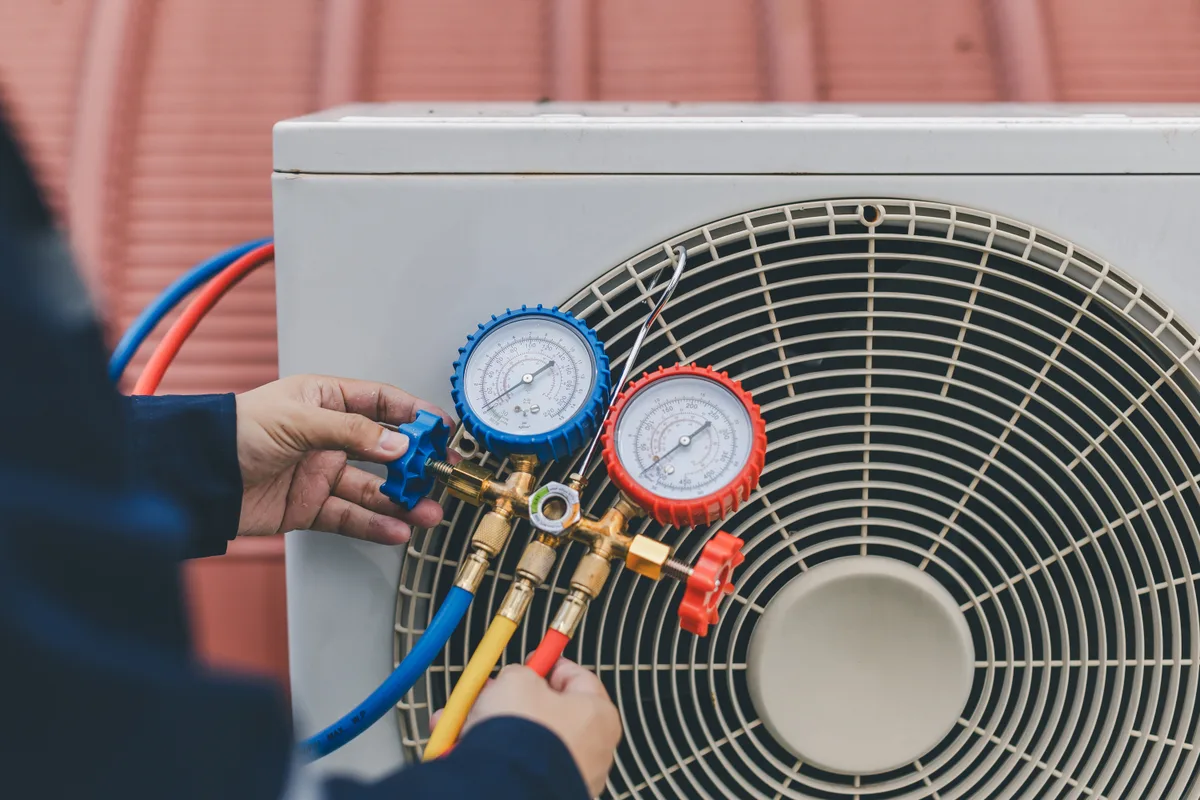
Only a technician holding an ODP card may connect gauges, find a refrigerant leak and recharge the system, so a gurgle that comes with weak cooling is not something to top up and forget. ZK Mechanical handles AC repair across Burlington, Oakville, Hamilton and the west GTA, with the price in writing before work starts. Call (647) 801-1252 or book a repair visit. Other noises and leaks are sorted by symptom in the cooling answers hub.