
Quick answer
A high-efficiency furnace gurgles when condensate water sits where it should drain: in a sagging stretch of vent pipe, a blocked condensate trap, or the pressure-switch hose. The vent should slope about 1/4 inch per foot back toward the furnace so water runs to the trap. Treat gurgling as the early warning before a pressure-switch lockout or a leak; the fix is clearing the trap and re-supporting the vent.
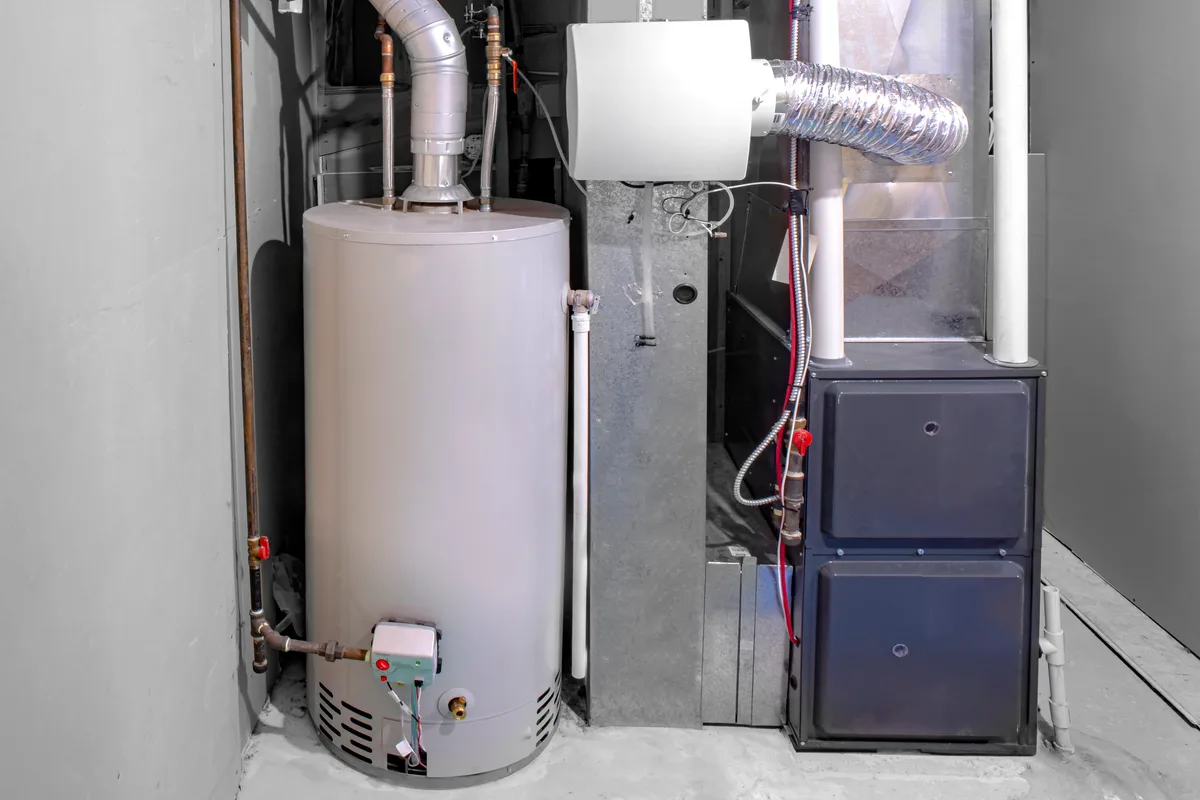
A high-efficiency furnace gurgling is a water sound, and only condensing furnaces make it. A furnace rated 90 percent or better pulls so much heat out of its exhaust that the water vapour in it condenses, several litres on a cold day, and that water has to drain away through a trap. When it pools instead, the inducer fan pushes exhaust through it and you hear bubbling, sloshing or a percolating noise from the vent pipe or the bottom of the cabinet.
The three places condensate collects and gurgles
- A sag in the vent pipe: a belly in a horizontal run of plastic vent holds a pool of condensate. Exhaust bubbles through it, so the gurgle comes from the pipe overhead and keeps time with the inducer.
- A blocked condensate trap: slime, rust and grit build up in the trap at the furnace. Water backs up into the collector box and the inducer housing, and the fan churns it. The sound comes from low in the cabinet.
- Water in the pressure-switch hose: the small rubber tube from the collector box or inducer to the pressure switch holds a few drops of water. The switch then misreads the draft, and the furnace starts, stops and retries.
One harmless version exists. On the first few runs in fall, a trap that dried out over summer can bubble briefly until it refills with condensate. If the sound is gone after a day of heating, that was the trap priming.
The vent slope rule: 1/4 inch per foot back to the furnace
A condensing furnace vent must rise as it leaves the furnace by about 1/4 inch per foot, roughly 2 centimetres per metre, so everything that condenses in the pipe runs back to the furnace and out through the trap. The furnace's installation manual sets the exact figure and the spacing of the supports. Any stretch that runs level or dips becomes a reservoir.
Sags develop after installation. Strapping stretches, a hanger pulls out of a joist, or someone finishing the basement nudges the pipe to fit a bulkhead. It shows up in 1970s to 1990s houses in Burlington, Oakville and Mississauga where a chimney-vented furnace was replaced by a high-efficiency one: the new vent had to cross the basement ceiling to reach an outside wall, and the longer the horizontal run, the more places it can settle.
Why gurgling comes before a lockout or a leak
Gurgling means the drainage is partly blocked, and a partly blocked drain becomes a fully blocked one. As water rises it narrows the vent or floods the pressure-switch port, the switch opens, and the control board shuts the burners down and locks out after a few failed tries, often with a pressure-switch fault code. Why a furnace pressure switch keeps failing explains that code.
The other ending is water on the floor. Backed-up condensate finds the lowest seam in the cabinet or overflows the collector box, and because it is mildly acidic it rusts the cabinet floor and the burner box. A sagging vent also strains its joints, and a joint that separates lets exhaust into the basement.
Check this yourself first
- Locate the sound: overhead along the vent pipe, or low at the furnace.
- Sight along the vent from the furnace to the outside wall. Look for a dip, a missing hanger, or white or rust-coloured stains under a joint.
- Follow the drain tube from the furnace to the floor drain or condensate pump. Straighten kinks, and make sure the tube end is not sitting under water or blocked with slime.
- If there is a condensate pump, confirm it is plugged in and its tank is not full.
- Look for water inside the bottom of the cabinet or on the floor, and note any flashing fault code.
Leave the trap, the collector box and the pressure-switch hoses to a technician unless your owner's manual gives a homeowner cleaning procedure. A trap put back dry or with a seal out of place leaks exhaust into the cabinet.
The fix, the cost and how long gurgling can wait
The repair is to restore the drainage path: remove and flush the trap, clear the collector-box and pressure-switch ports, drain and re-route the hose, then re-hang the vent to the correct slope with proper supports. Published bands for the parts involved:
- Condensate drain cleaning or trap replacement: $150–$350
- Pressure switch, if water has damaged it: $250–$500
- New condensate pump installed: $250–$450
- Vent re-support or re-piping: quoted in writing after the run is measured; see furnace vent pipe repair
- Call now: water is leaking from the furnace, the furnace has locked out, or you smell exhaust.
- Call now: a vent joint has opened or the pipe has dropped.
- Can wait a few days: a gurgle with normal heat, a dry floor and no fault code. Book it before the next cold snap, when the furnace makes the most condensate.
A proper furnace tune-up includes checking and flushing the condensate trap, which is the cheap way to never hear this noise. If yours is gurgling now, ZK Mechanical handles furnace repair across Burlington, Oakville, Milton, Hamilton and Mississauga: call (647) 801-1252 or book online. A drain line that has frozen instead of clogging is a separate problem, covered in what to do about a frozen condensate line.