Quick Answer
The most common cause is a clogged or disconnected condensate drain on a high-efficiency furnace, which produces water as a normal by-product. Other causes include a failed condensate pump, a blocked secondary heat exchanger drain, a humidifier leak, or — if the AC shares the furnace cabinet — a frozen evaporator coil thawing. Turn the system off and clean up the water; most fixes are inexpensive.
Finding a puddle around the furnace is alarming, but in most GTA homes it has a mundane explanation: modern high-efficiency (condensing) furnaces produce several litres of water a day as exhaust gases cool, and that water has to drain somewhere. When the drain path fails, the water ends up on your floor.
Most likely causes, in order
- Clogged condensate drain line — algae, dust, or debris blocks the small PVC line and water backs up into the cabinet. This is the #1 cause.
- Failed condensate pump — if your furnace drains uphill to a laundry sink or floor drain, the small pump beside the unit may have died.
- Cracked or loose drain trap and fittings — vibration loosens connections over time.
- Whole-home humidifier leak — humidifiers mounted on the ductwork have their own water feed and drain; a stuck float or clogged pad drain drips down onto the furnace.
- Frozen evaporator coil (summer) — if the leak appears while cooling, the AC coil above the furnace likely iced up and is melting. See why an AC freezes up.
- Blocked exhaust/intake venting — rare, but a blocked vent can cause condensation in the wrong places and usually triggers error codes too.
What to do right now
- Turn the furnace off at the thermostat (and the switch beside the unit) to stop more condensate production
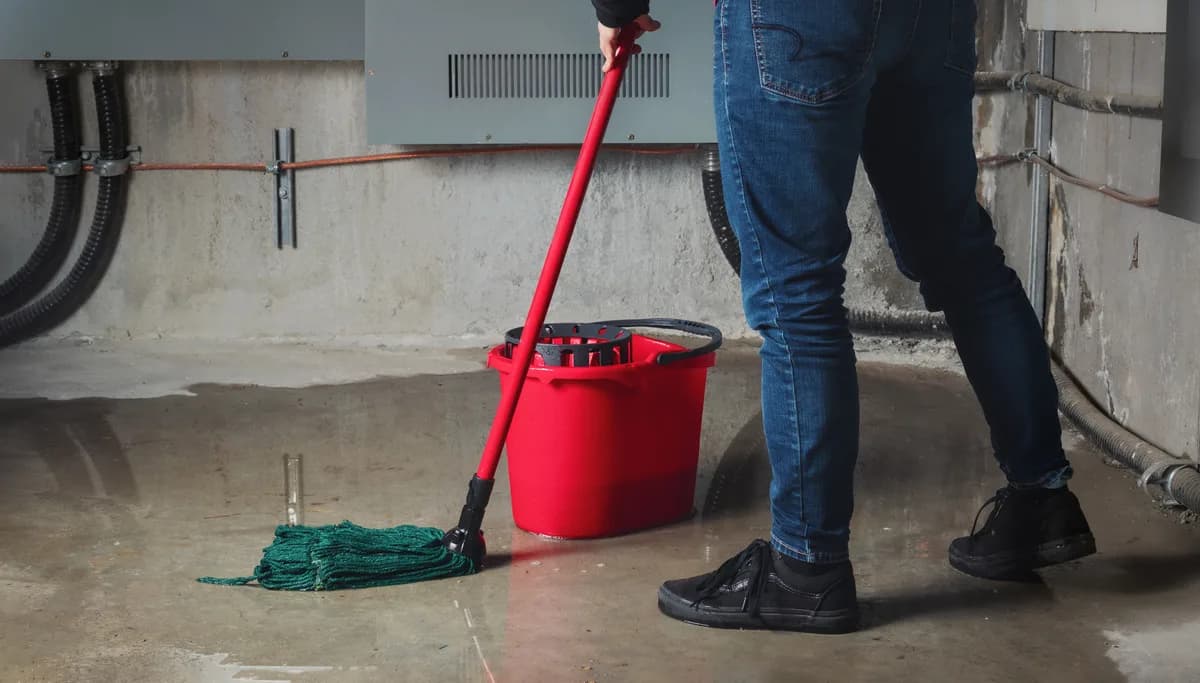
- Mop up standing water to protect flooring and prevent it reaching electrical components
- Check the condensate line for visible kinks or disconnects and the pump reservoir for overflow
- Take a photo of where the water originates — it helps the technician diagnose faster
Is a leaking furnace dangerous?
Water itself won't make the furnace unsafe, but it will corrode the cabinet, rust the burners, and destroy the control board if it pools long enough — turning a $200 drain cleaning into a $1,000+ repair. If water has reached the control board or you see error codes, stop running the system and call for furnace repair.
What the repair costs
Condensate drain cleaning or trap replacement typically runs $150–$350 in the GTA. A new condensate pump installed is $250–$450. Humidifier repairs vary but are usually under $400. These are quick same-day fixes — and an annual maintenance visit includes drain flushing, which prevents the problem entirely. Need it looked at today? Contact ZK Mechanical or call (647) 801-1252.
Need a Professional? We Can Help
ZK Mechanical's licensed technicians serve the entire Greater Toronto and Hamilton Area with upfront pricing and 24/7 emergency availability.