
Quick answer
A single click when the air conditioner starts and another when it stops is the contactor or a relay doing its job. Rapid, repeated clicking means a failing contactor, low 24-volt control voltage or a thermostat relay. Clicking with no start points to a weak capacitor, a compressor tripping on its thermal overload or a tripped condensate float switch. Most of these are $150–$350 repairs.
If you are asking why your AC is making a clicking noise, count the clicks before anything else. One click as the system starts and one as it stops is normal. A string of clicks, a click followed by silence, and a steady tick that keeps time with the outdoor fan are three separate faults with three separate fixes. Where the sound comes from (the wall, the furnace or the outdoor unit) tells you which one you have.
One click at start and stop is normal; rapid, repeated clicking is not
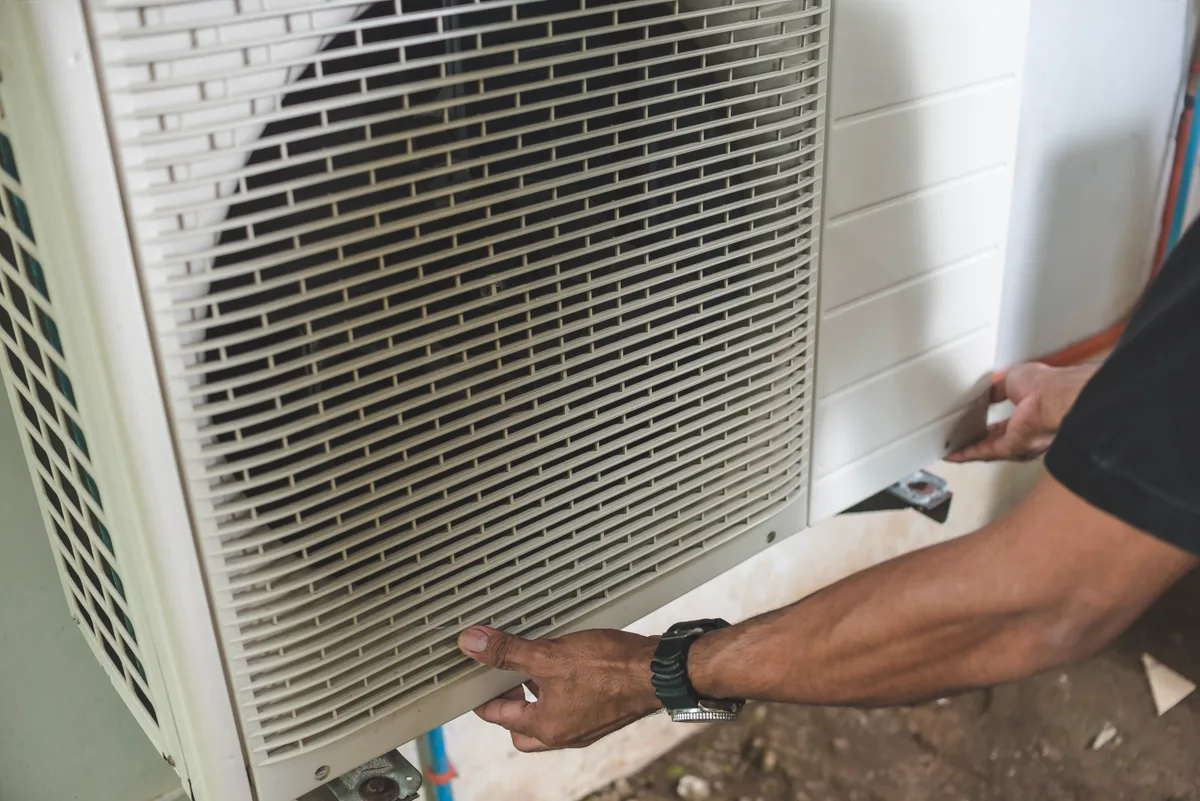
The loudest normal click comes from the outdoor unit. Inside its electrical compartment is the contactor, a 24-volt switch that pulls a set of contacts closed to send 240 volts to the compressor and fan. It snaps in when the thermostat calls for cooling and drops out when the call ends. A fainter click at the thermostat, and another from the relay on the furnace control board that starts the indoor blower, happen at the same moments.
If you hear one click, the outdoor fan spins up, cool air reaches the registers in a minute or two and the next click is at shut-off, nothing is wrong.
Fast clicking from the outdoor unit, several times a second or in bursts, is a contactor that cannot hold itself closed. Either the contactor is worn or its 24-volt supply is sagging. Each chatter slams the compressor on and off, which is hard on the windings, so switch cooling off at the thermostat until it is fixed.
- Worn contactor: pitted, burnt contact points or a weak coil. Ants and earwigs crawling between the contacts are a regular cause on ground-level units.
- Low control voltage: the furnace transformer supplies a nominal 24 volts, and a loose wire nut, a corroded splice at the outdoor unit or a rodent-chewed cable drops it until the coil buzzes and lets go.
- Thermostat relay: a failing relay or dying batteries make the thermostat click on and off by itself. If the clicking is at the wall and the display dims with each click, start with fresh batteries.
- A float switch hovering at its trip point: a condensate pan that is nearly full opens and closes the control circuit as the water level ripples.
Clicking with no start: capacitor, thermal overload or float switch
A click followed by a hum and then nothing means the contactor closed but the compressor did not start. The usual cause is a weak run capacitor; the signs are listed in how to tell if an AC capacitor is bad. The compressor sits stalled, drawing heavy current, until its internal thermal overload opens with a click of its own. It cools, resets and tries again, so you hear a hum-and-click cycle every few minutes.
A click at the thermostat with no sound at all from the outdoor unit is different: the signal is not reaching the contactor. On most furnace-and-coil systems the condensate float switch is wired in series with the cooling circuit, so a blocked drain silently locks the outdoor unit out. Check the pan before assuming an electrical fault.
Ticking that speeds up and slows down with the outdoor fan
A tick-tick-tick that rises and falls with fan speed is mechanical, not electrical. Something is touching the blade: a twig, seed pod or wire tie that has dropped through the top guard, a blade bent by a falling branch or icicle, or a fan hub whose set screw has loosened so the blade wobbles on the motor shaft. A loose hub can walk down the shaft until the blade strikes the coil, so do not leave it. A bent blade is replaced, not bent back, because a blade straightened by hand never runs true and shakes the motor bearings apart.
Check this yourself first, and shut the AC off if you see these signs
- Thermostat batteries and display. Replace the batteries if the screen fades when it clicks.
- The furnace filter. A plugged filter can ice the coil, fill the pan with meltwater and trip the float switch.
- The drain pan and float switch at the indoor coil. Standing water means the click-and-nothing is a drain problem; see how to unclog an AC drain line.
- The outdoor fan guard, viewed from above with the disconnect pulled, for sticks and debris you can lift out.
- Where the sound is: wall, furnace or outdoors. That one detail shortens the diagnosis.
Switch cooling off at the thermostat and book a repair when any of the following is true.
- The outdoor unit chatters continuously or in bursts.
- It hums, clicks off and retries every few minutes without the compressor starting.
- The clicking comes with a burning smell, a tripped breaker or lights that dim on each attempt.
- The fan blade is visibly wobbling or striking the guard.
What it costs to fix a clicking air conditioner
- Diagnostic visit: $90–$150, folded into the repair if you go ahead.
- Contactor replacement: $150–$350.
- Capacitor replacement: $150–$350.
- Condenser fan motor, when a loose blade has damaged the shaft or bearings: $300–$700.
- Condensate drain cleaning, when the float switch was the cause: $150–$350.
A thermostat or low-voltage wiring repair depends on what is found, so it is quoted in writing on the visit. Other noises and faults are sorted in the cooling answers. For AC repair in Burlington, Oakville, Waterdown, Milton or Mississauga, call ZK Mechanical at (647) 801-1252 or request a visit; you get the price in writing before any part is changed.