
Quick answer
Yes. A cold-climate ductless heat pump heats well below freezing and is often the best option for a house with no ductwork, an addition, or a room the furnace never reached. Its limitation is distribution rather than capacity: heat from a wall head will not travel through closed doors, so where the heads go matters more than which brand you buy.
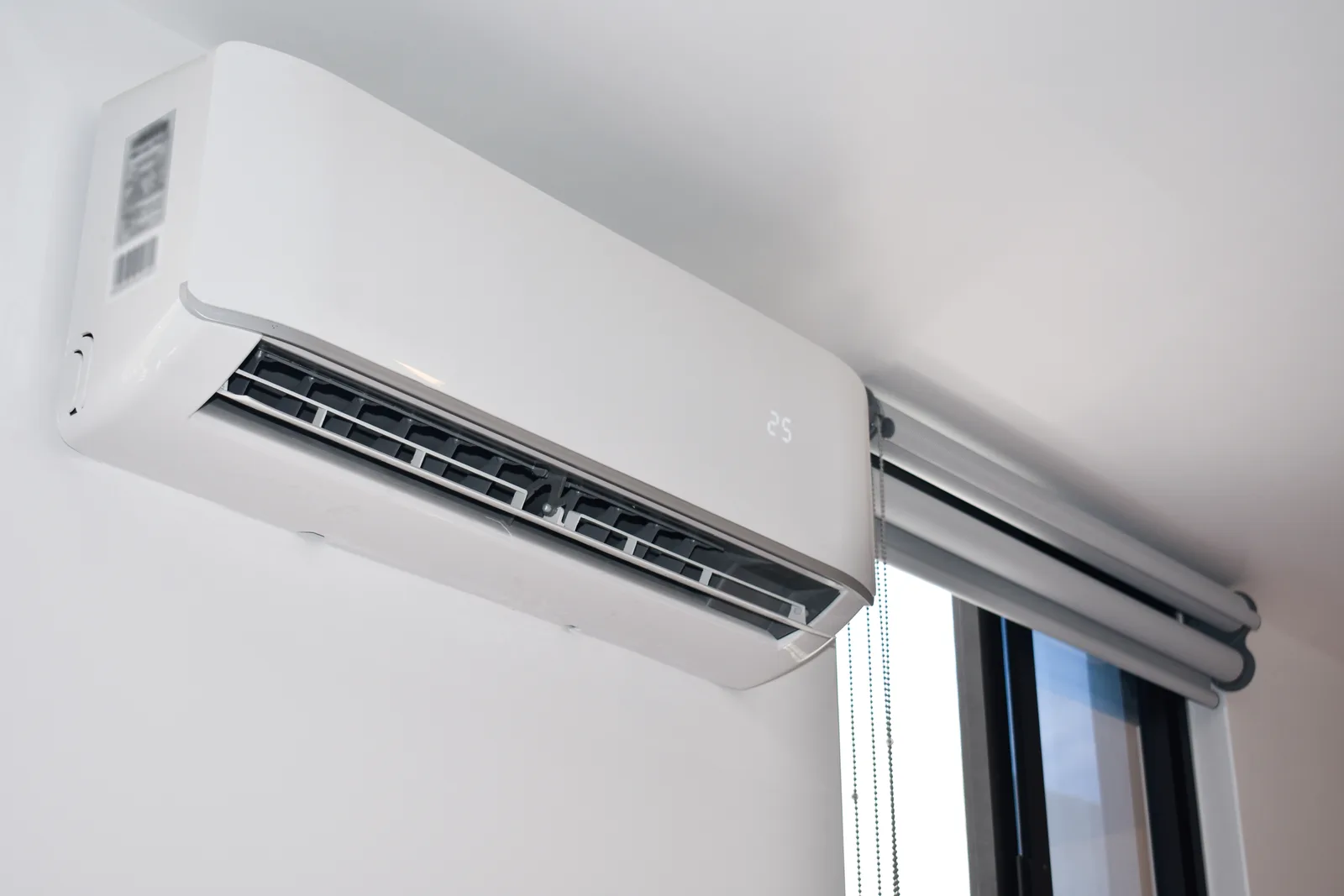
Ductless heat pumps are good for heating, and the skepticism usually comes from remembering them as summer equipment bolted to a motel wall. Cold-climate models sold today are heating machines that also cool. The judgement call is not whether they make heat in a Canadian winter — they do — but whether one or two indoor heads can get that heat into the rooms you actually use.
Cold-climate models are rated for our winters
A cold-climate ductless system uses an inverter compressor that can spin up beyond its nominal rating in cold weather rather than fading toward it. The manufacturer publishes capacity at low outdoor temperatures — read the -15°C line and compare it against what the room needs, since two heads with the same badge can differ there. Outdoor units built for this climate also include a base pan heater to keep defrost meltwater from freezing in the bottom of the cabinet, which matters more in damp lakeshore weather than in dry cold.
Where ductless heats better than the alternative
- Houses with no ducts at all — 1950s and 60s bungalows on electric baseboards in Aldershot or Stoney Creek, where installing ductwork means losing ceiling height and gutting the house.
- Additions and sunrooms built over a crawl space or a garage, where the existing furnace was never sized to carry the extra volume and the branch run is too long to help.
- Bonus rooms above garages in 1990s and 2000s subdivisions — the classic room that is cold in February and hot in July, and the one that why is one room in my house always cold exists for.
- Finished basements and legal secondary suites that need their own temperature control and, in a rental, their own accountable heat source.
- Century homes on radiators, where heads add heating capacity and cooling at once — covered in can a heat pump replace a boiler.
Where ductless disappoints, and why
- One head expected to heat a floor of closed bedrooms. Warm air will not turn a corner and go through a door; the head heats the room it is in.
- A head mounted in a hallway as a compromise. Hallways have no heat loss to speak of, so the head satisfies itself while the bedrooms stay cool.
- An oversized single head. It reaches setpoint, throttles to its minimum and still overshoots, which wastes the modulation you paid for.
- Homes where the appearance of a wall unit is a dealbreaker — floor-console and ducted-cassette indoor units exist, but they change the price and the install.
- Condo units where there is no permitted location for an outdoor unit or a wall penetration; that is a corporation decision, not a homeowner one.
Single-zone or multi-zone: which heats more efficiently
A single-zone system pairs one outdoor unit with one head and is the most efficient arrangement, because the compressor is matched to exactly one load. A multi-zone unit runs several heads from one outdoor unit, which saves wall space and cost, but efficiency drops when only one head is calling and the compressor has to run above its ideal minimum. For two rooms far apart, two single-zone systems are sometimes the better technical answer even though it means two outdoor units.
- Single-zone (one indoor head): $4,000–$7,000 installed
- Dual-zone: $7,500–$11,000 installed
- Three to four zones: $10,000–$16,000+ installed
- Cold-climate heat pump models add roughly $500–$1,500 per zone but heat efficiently in winter
How they behave day to day in heating
A ductless head in heating mode runs almost continuously at low fan speed, and that is the efficient way for it to work — switching heads off when you leave a room and back on when you return forces the compressor to work hard on recovery. Set a temperature and leave it. Expect the head to pause during defrost every hour or two in damp weather near freezing, and expect the fan to hold off for a moment at the start of a cycle until the coil is warm rather than blowing room-temperature air at you.
Maintenance is different from a ducted system
Each head has washable mesh screens that need rinsing monthly during heavy use, and every few years the blower wheel inside each head needs a proper deep clean that a seasonal visit does not include. Ignore that and airflow drops off quietly. What a professional visit covers and what it costs is set out in how much heat pump maintenance costs.
If you are weighing ductless against extending ducts, read central air versus ductless mini-split. ZK Mechanical plans head placement room by room before quoting a ductless mini-split system — arrange a walkthrough or call (647) 801-1252.