Quick Answer
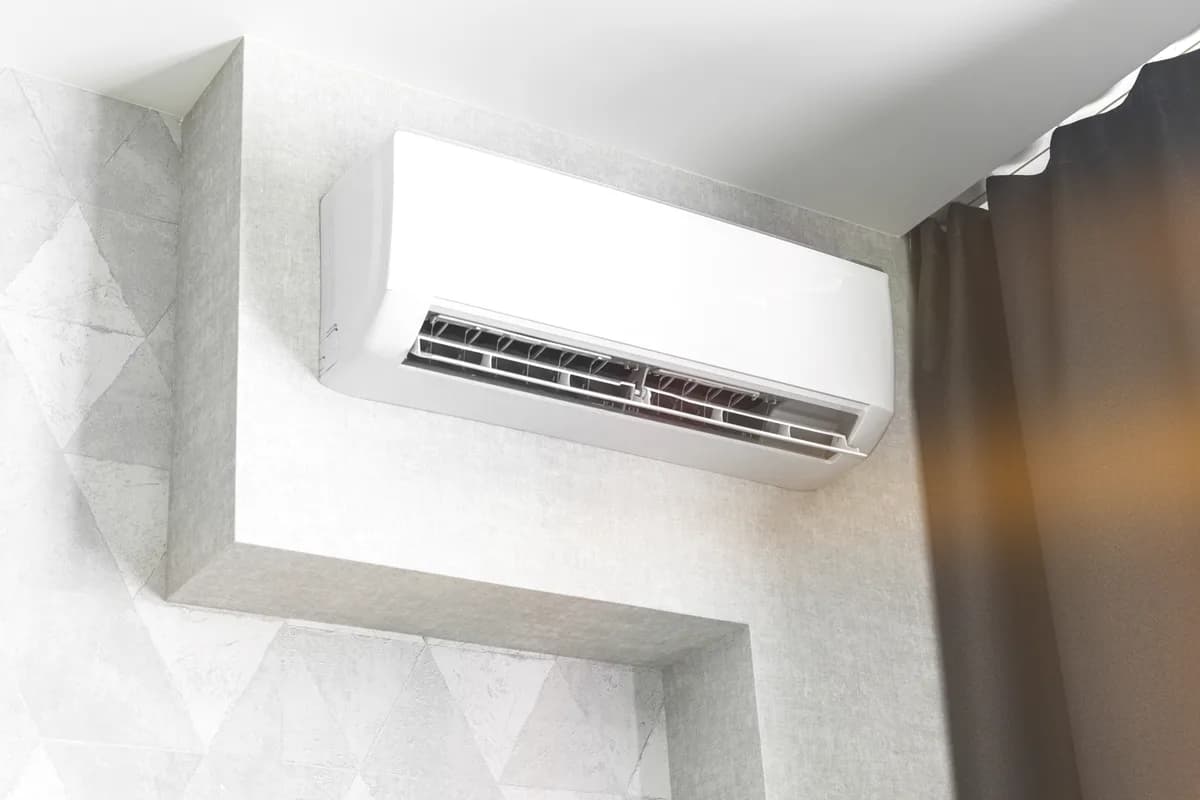
Yes — for homes without ductwork, condos, additions, finished attics, and basement apartments, a ductless mini-split is usually the most practical and efficient option in Toronto. Installed costs run $4,000–$7,000 for a single zone and $8,000–$16,000 for multi-zone systems. Modern cold-climate models also heat efficiently well below -20°C, so many GTA owners use them year-round.
Toronto's housing stock is full of buildings central air was never designed for: century homes with radiator heat, duplexes and triplexes, laneway suites, and additions the original ductwork doesn't reach. Ductless mini-splits exist for exactly these cases — but they're not automatically the right answer for every home. Here's how to decide.
Where a mini-split is clearly worth it
- Homes with boiler/radiator heating and no ducts — the alternative (adding ductwork) costs $10,000+ and sacrifices closet space
- Additions, sunrooms, attic conversions, and garage offices the existing system can't condition
- Basement apartments and secondary suites that need independent temperature control
- Condos and apartments where the building allows a small outdoor unit on a balcony or roof
- Households that want zoned cooling — cool the bedrooms at night without cooling the whole house
What it costs in the GTA
- Single-zone (one indoor head): $4,000–$7,000 installed
- Dual-zone: $7,500–$11,000 installed
- Three to four zones: $10,000–$16,000+ installed
- Cold-climate heat pump models add roughly $500–$1,500 per zone but heat efficiently in winter
Compare that against central AC at $3,500–$7,500 installed if you already have ducts — when ductwork exists and is in good shape, central air usually wins on price for whole-home cooling. Our central air vs. ductless comparison goes deeper on that trade-off.
The heating bonus most people miss
Nearly every mini-split sold today is a heat pump, and cold-climate models maintain useful output below -25°C. For a Toronto homeowner, that means the same wall unit that cools in July can carry most of the heating load in shoulder seasons at a fraction of electric baseboard cost — and current Ontario rebate programs often apply to cold-climate models. See how cold-climate heat pumps perform in GTA winters.
The honest downsides
- Aesthetics — a wall cassette is visible in the room; ceiling and floor-mount options cost more
- Per-zone economics — conditioning a whole large house with 5+ heads usually costs more than ducted equipment
- Maintenance — washable filters in each head need cleaning every few weeks in season
- Installation quality matters enormously — poorly flared refrigerant connections are the #1 cause of early failures, so hire a licensed installer
ZK Mechanical installs and services all major mini-split brands across the GTA. If you're weighing ductless against other options, request a free in-home assessment and we'll quote both honestly.
Need a Professional? We Can Help
ZK Mechanical's licensed technicians serve the entire Greater Toronto and Hamilton Area with upfront pricing and 24/7 emergency availability.