
Quick answer
Set it to 15–17°C for a trip of a few days, and no lower than about 12°C for a longer absence — never off. The point is not comfort, it is keeping every pipe in the building above freezing, including the ones in exterior walls and unheated crawlspaces that sit far colder than the hallway where your thermostat lives.
Homeowners leaving in January ask this two ways: how low can I go, and can I just switch it off? The answers are about 12°C, and no. Your thermostat reads one spot in the middle of the house, while the pipes that freeze are in the coldest corners of it, often 10 degrees behind the number on the wall.
What to set, by length of absence
- A weekend or a few days: 15–17°C. Low enough to save real gas, high enough that nothing in the building gets near trouble.
- One to three weeks: hold 15°C if nobody is checking on the house, and 12°C only if the water has been shut off and the lines drained.
- Longer than that, or a house sitting empty between owners: shut the water off at the main, drain the system, and still keep heat on at 12°C or above to protect finishes and the structure.
- Never fully off. An unheated Ontario house in January freezes, and a burst pipe pours into it for days before anyone notices.
Why 12°C and not 5°C
Air temperature at the thermostat is not pipe temperature. Supply lines run through exterior wall cavities, under sinks on outside walls, through cantilevered floors above garages and along unheated crawlspaces — every one of those spaces sits below room temperature. In a 1950s bungalow with the kitchen sink plumbed into an exterior wall, the cabinet under that sink can be near freezing while the hallway reads a comfortable 12°C. The margin is the entire point of the number.
Wind makes it worse rather than merely colder. During a cold snap with a north-west wind coming off the escarpment, infiltration drops the temperature inside those cavities quickly, and lake-effect conditions along the shoreline bring the same wind with damp air behind it.
What to do before you leave
- Open the cabinet doors under sinks on exterior walls so room air can reach the plumbing.
- Put a fresh filter in the furnace. A loaded filter while you are away is how a furnace trips a limit and stops heating on day three of a two-week trip.
- Arrange for someone to clear snow from a side-wall vent termination after a storm. High-efficiency furnaces shut down when the intake or exhaust drifts over — what to do when a furnace vent is blocked by snow explains the failure.
- Turn the humidifier down or off. With nobody there to notice, days of unattended humidification means frost and condensation on the windows.
- Leave interior doors open so heat circulates, particularly into rooms with plumbing on an outside wall.
- Shut the water off at the main if you will be gone more than a week, and drain the lines by opening the lowest tap in the house.
Check your insurance wording before you go
This is the part most people skip. Ontario home policies generally carry a condition covering absences during the heating season: either the water supply is shut off and the system drained, or a competent person checks the home at the interval the policy names. If neither happens, water damage from a freeze-up can be denied outright. Read your own wording, because the requirement is specific and usually only a paragraph long — and see does home insurance cover a furnace breakdown for the related question.
Remote monitoring, and coming home
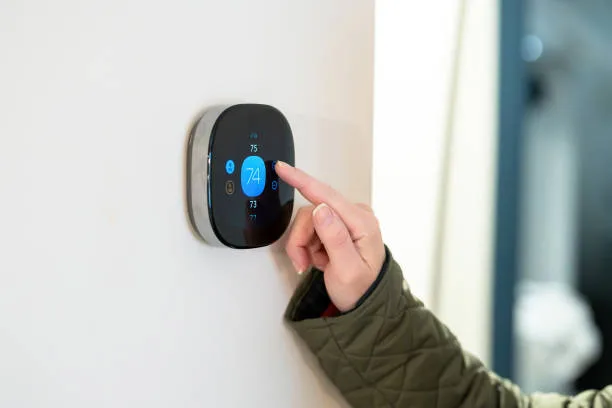
A Wi-Fi thermostat turns hoping the furnace is running into something you can check from an airport. Set a low-temperature alert so the app tells you when the house falls below a threshold you choose, and give a neighbour or family member both a key and access to the app. Ontario's smart thermostat rebate takes a little off the price, at an amount that depends on the channel you claim through, and what a smart thermostat is good for covers the rest of what they do.
If an alert does come in, having someone able to get inside matters more than the alert itself. Keep a list on the fridge: who has the key, where the water main shut-off is, and where the furnace switch and breaker are. If the heat has already failed and nobody can be there quickly, keeping pipes from freezing sets out what a neighbour can do in 10 minutes.
When you get back, bring the temperature up in one step and let the furnace run — creeping up a degree at a time gains nothing. Expect a long recovery cycle and low humidity for a day, and expect the furnace to sound busier than usual while it works.
Before a long winter trip, a pre-travel tune-up is cheap insurance: we check the safeties, the flame and the condensate drain, which are the three things that most often stop a furnace while a house sits empty. Book one through our maintenance plans, call (647) 801-1252, or arrange a visit before you travel.