
Quick answer
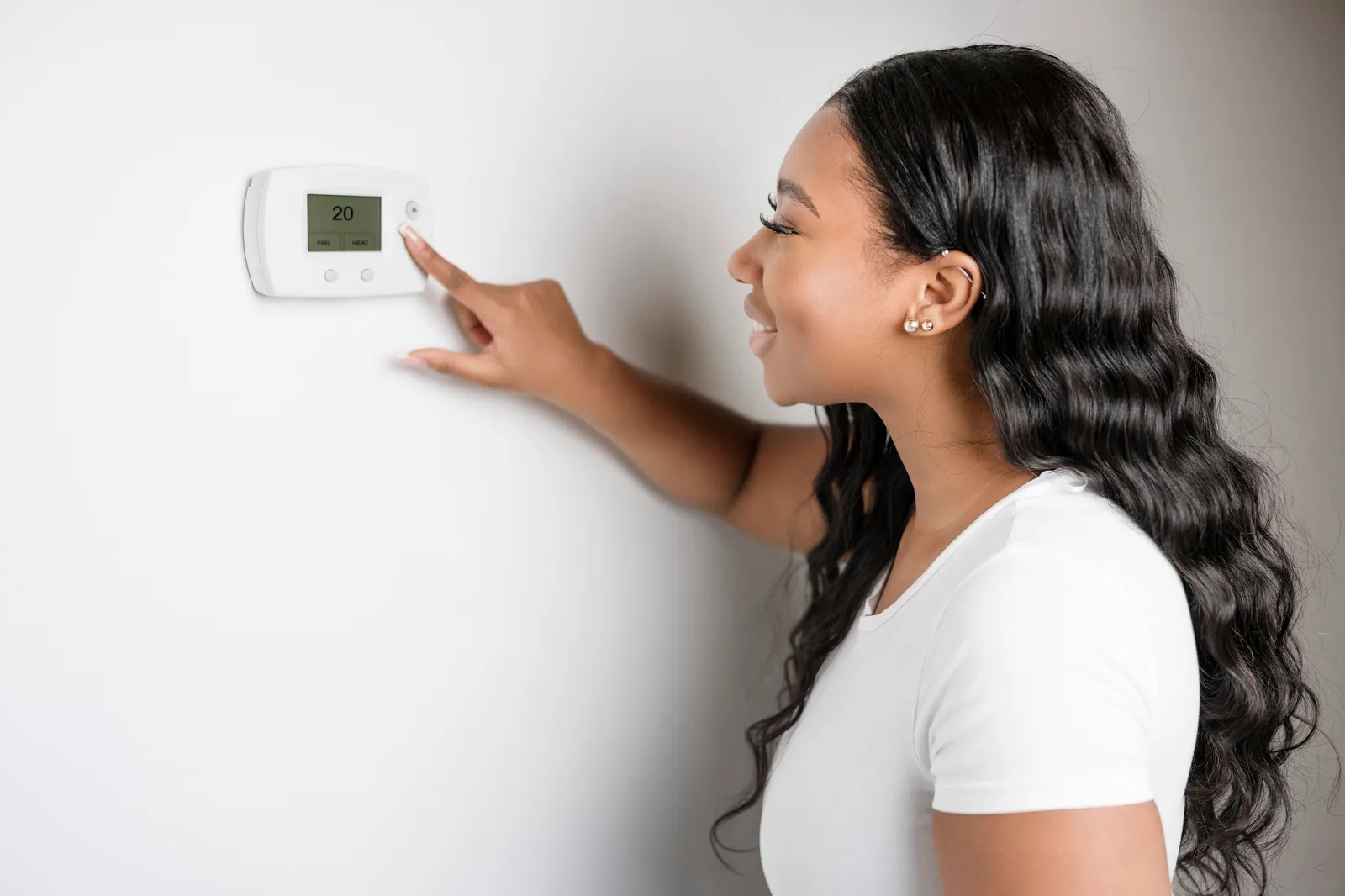
No. Setting the thermostat back while you are out or asleep costs less than holding one temperature around the clock, and the old idea that reheating burns up whatever you saved is not how heat loss works. The exceptions are worth knowing: heat pumps, in-floor radiant slabs and homes with plumbing in exterior walls all want shallow setbacks rather than deep ones.
This is the most persistent argument in Ontario basements, and the physics behind it is not in doubt. A house loses heat in proportion to the difference between the temperature inside and the temperature outside. Let the inside temperature drop and the loss slows down; the cooler the house is allowed to get while nobody is in it, the less heat escapes.
Why the reheat does not eat the savings
The furnace does not do extra work to catch up beyond what was lost. During the setback the house sheds less heat than it would have at full temperature, and the recovery cycle replaces that smaller amount. Gas burns at the same efficiency whether the furnace is holding a temperature or climbing to one, so there is no penalty rate for recovery. The saving is the heat that never left the building in the first place.
What confuses people is that the recovery is loud and the saving is silent. You hear the furnace run for 40 minutes when you walk in the door, and that feels expensive, while the two dozen short cycles it skipped during the afternoon made no sound at all. Enbridge bills gas at one rate around the clock, so unlike electricity on time-of-use there is no cheap window to shift heating into — the only saving on offer is heat that never left the house.
How much setback, and for how long
- Overnight and while the house is empty are the two windows worth using. Two to three degrees, held for several hours, is where most of the benefit sits.
- Short setbacks do not pay. Dropping the temperature for an hour while you run errands achieves little, because a house barely cools in an hour.
- Deeper is not automatically better. Below about 17°C some houses take long enough to recover that the comfort trade stops being worth it, particularly leaky, poorly insulated ones.
- Let a programmable or smart thermostat run it. Manual setbacks fail because people forget, and adaptive recovery learns how long your house takes and starts early so you arrive at temperature rather than waiting for it.
The systems where the rule changes
- Heat pumps. A heat pump recovers slowly, and a deep setback hands the job to electric backup heat, which costs several times as much per unit of heat delivered. Keep setbacks to a degree or two, or let the thermostat's heat-pump mode manage the recovery.
- In-floor radiant and heavy hydronic systems. A concrete slab takes hours to change temperature, so a deep setback mostly buys you a cold morning. Use a shallow night setback or leave it alone.
- Homes with plumbing in exterior walls. Older bungalows with a kitchen sink on an outside wall can chill a supply line long before the thermostat reads anything alarming.
- Houses that already fight condensation. Cooling the air raises relative humidity and can put more moisture on the glass — see condensation on windows in winter.
A sensible winter schedule for a GTA home
- Awake and home: whatever you find comfortable, commonly 20–21°C.
- Asleep: two to three degrees lower, with recovery timed to begin before the alarm goes off.
- Out for the workday: the same setback as overnight, recovering before you get home.
- Away for days: a deeper hold, but never off — what temperature to set the furnace when away in winter has the numbers and the precautions.
- During an extreme cold warning: hold steady rather than swinging, so the system is not asked to recover during the coldest hours of the night.
What moves the bill more than your schedule does
Setback is real money, but it is not the biggest lever in most houses. A filter that has not been changed since spring, ducts leaking into a cold crawlspace, and a furnace that has drifted out of adjustment all cost more than a few degrees of overnight setback ever will. Our energy-saving tips for Canadian winters put the list in order of what pays, and how to work out your own gas heating cost tells you what you are starting from.
One caution that applies to a lot of two-storey homes here: if the upstairs already runs several degrees behind the main floor, a deep setback exaggerates the gap, because the coldest rooms fall furthest and recover last. Sort out the balancing and the return air first, then set the schedule.
If your furnace struggles to recover after a setback, or the house swings noticeably between cycles, that is a system problem rather than a thermostat problem and it is worth a proper look. ZK Mechanical services heating systems across Burlington, Oakville, Hamilton and the GTA with the price agreed before we start — see heating services or book a visit.