
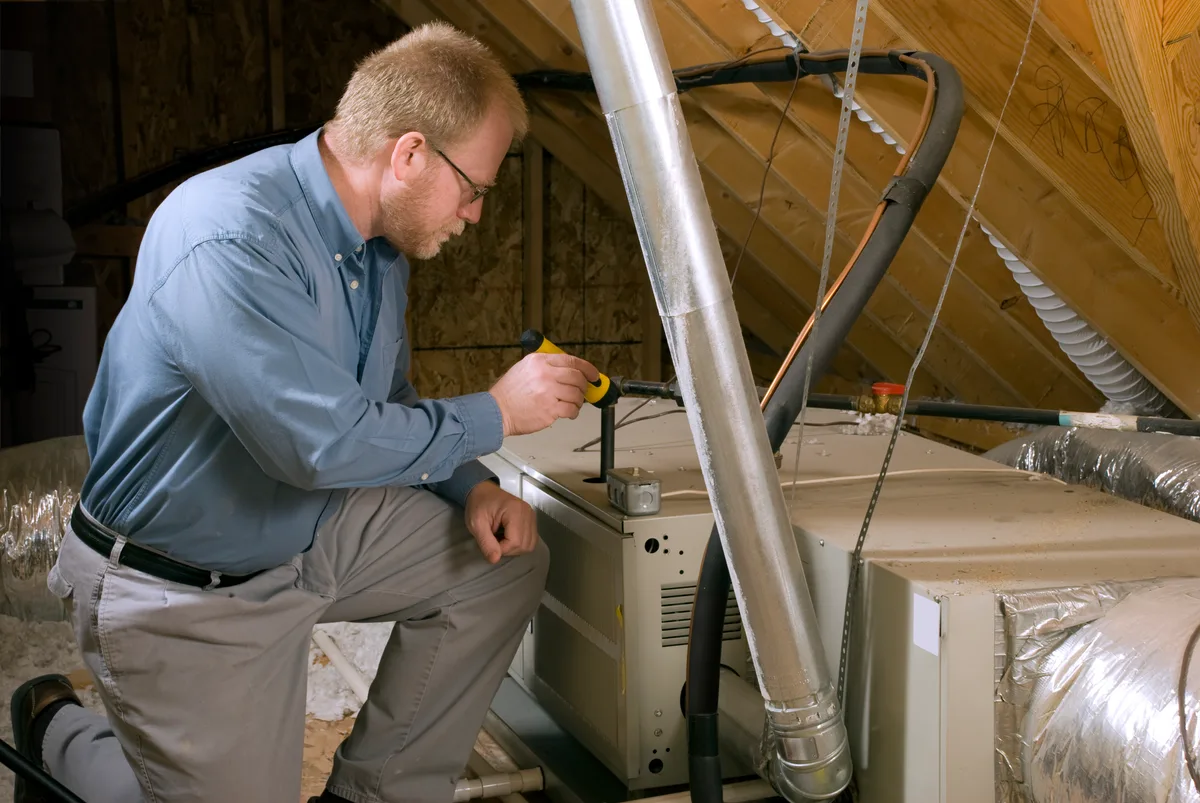
Quick answer
Yes, get a second opinion on a cracked heat exchanger whenever the diagnosis comes without evidence. Real proof is a camera photo of the crack plus combustion readings. A technician who finds a genuine breach must shut off gas to the furnace and tag it, so leave it off meanwhile. A second licensed inspection costs $90–$150, against $4,500–$7,500 for a new furnace.
You should get a second opinion on a cracked heat exchanger any time you have been told to replace the furnace and have not been shown the crack. It is the most expensive diagnosis in residential heating and the easiest to assert without proof, because the part is hidden inside the cabinet. A real crack is also a real hazard, so the second opinion happens with the furnace off, not as a reason to keep running it.
What real proof of a cracked heat exchanger looks like
- A borescope or inspection-camera photo of the crack, with enough of the surrounding cell in frame to show where it is. Ask for the image to be sent to your phone.
- Combustion analysis readings: carbon monoxide in the flue gas and the oxygen level, taken before and after the blower starts. A breach lets blower air into the combustion side, so the oxygen reading jumps at the moment the blower comes on.
- Flame behaviour: burner flames that waver, lift or lean when the blower starts, ideally on video.
- The model, serial number and the location of the failure written on the invoice or the tag.
What does not count is 'I can see rust', a flashlight on surface discolouration, a carbon monoxide number taken at a supply register with no flue readings, or the age of the furnace alone. Surface rust on a heat exchanger is common in a damp basement and is not a crack. Neither is a factory seam or crimp.
What the technician must do if the crack is real
A licensed gas technician in Ontario who finds an appliance in an unsafe condition has to act on it: shut off the gas to that appliance, attach a TSSA warning tag stating the reason, and notify the gas utility. That duty comes with the licence and does not depend on whether you buy anything. So the paperwork left behind tells you something.
- Tag plus photos and readings: the diagnosis is documented. A second opinion is still your right, but expect it to agree.
- Tag with no documented evidence: this is the signal to get a second licensed opinion before spending anything.
- No tag, furnace left running and a replacement quote in your hand: the technician's actions do not match the claim. Have it inspected again either way.
The tag, its deadlines and how it gets cleared are explained in what a red tag on a furnace means and second opinions on a red-tagged furnace.
Check the heat exchanger warranty before paying for a new furnace
Heat exchangers are usually warrantied far longer than the other parts of the furnace: 20 years or a limited lifetime is common, often for the original registered owner only. The coverage is for the part, so you pay the labour. Take the model and serial number from the rating plate inside the burner compartment and check them with the manufacturer or any dealer for that brand.
- Second-opinion diagnostic visit: $90–$150.
- Heat exchanger replacement with no warranty coverage: $1,500–$3,000 in parts and labour.
- Replacement high-efficiency furnace, installed: $4,500–$7,500.
The decision rule: on a furnace under about 12 years old with the part covered, replacing the heat exchanger is usually worth it. On a furnace past 15 with no coverage, the repair leaves an old inducer, control board and blower in place, and the money goes further toward a new unit. Some warranties provide a replacement furnace or a credit in place of the part, and the warranty certificate says which.
How to get a second opinion without a wasted visit
- Leave the furnace off if it was tagged or the gas was shut off, and leave the tag where it is.
- Keep the first company's invoice, photos and readings handy, but let the second technician inspect before reading them.
- Ask ahead of time that the visit include a camera inspection and a combustion analysis, with the results left in writing.
- Confirm the technician holds a TSSA gas licence, because only a licensed technician can clear a tag and put the furnace back in service.
- Test your carbon monoxide alarms. Ontario law requires them in any home with a fuel-burning appliance.
If the house has no heat while you wait, portable electric heaters are the safe stopgap. A furnace with a suspected breach is not something to run for one more night, because the failure mode is combustion gas mixing into the air the blower sends to the bedrooms.
Where false cracked heat exchanger calls tend to come from
The pattern is a low-priced inspection, a short visit and a verdict delivered with urgency and a contract. Furnaces in 1970s–90s subdivisions that are on their second unit, now 15 to 20 years old, are the usual targets because the age makes the claim plausible. Age raises the odds of a crack; it does not prove one, and a furnace of any age deserves the photo and the readings.
ZK Mechanical carries out furnace second opinions with a camera and a combustion analyzer, and you keep the photos and numbers whatever they show. If the heat exchanger is sound, we put that in writing; if it is not, you get a repair price and a replacement price side by side. Start with furnace repair or book the inspection.