
Quick answer
A correctly sized single-stage air conditioner runs 15 to 20 minutes per cycle on a warm day, two or three times an hour. On the hottest, most humid afternoons it may run an hour or more without stopping, which is normal. Cycles under 10 minutes point to an oversized unit, a frozen coil or a thermostat fault; never shutting off on a mild day means it is undersized, dirty or low on charge.
How long an AC should run per cycle depends on the weather, the size of the unit and the type of compressor, but there is a useful normal range. A single-stage system in a Burlington two-storey on a 26°C afternoon should start, run for roughly a quarter of an hour, and rest for a similar stretch before the next call. Longer runs on hotter days are expected; runs under 10 minutes are the warning sign.
Normal cycle length by weather
- Mild day, 22–25°C: cycles of 10–15 minutes, once or twice an hour.
- Warm day, 26–29°C: cycles of 15–20 minutes, two or three an hour — the sweet spot for comfort and humidity removal.
- Design day, around 30°C with high humidity: near-continuous running for stretches of an hour or more. Sizing tables for the Burlington–Hamilton area are built around this kind of afternoon, not the handful of 34°C days a summer, so a unit that keeps up on those days is doing exactly what it was sized for.
- Variable-speed or two-stage systems: long, quiet runs at low output most of the day. Continuous operation is the design intent, not a fault.
The reason longer cycles are better than short ones comes down to moisture. The indoor coil needs about 10 minutes of run time to get cold enough to condense water in quantity, so a system that stops after eight minutes cools the air without drying it. In the humid air that settles over the lakeshore from Roseland to Bronte, that is the difference between a comfortable 24°C and a clammy one; our answer on why a house feels humid with the AC on goes deeper.
Short cycling: under 10 minutes or more than four starts an hour
- Oversized equipment — the most common cause in 1970s–90s subdivisions like Millcroft and Glen Abbey, where units were often chosen by square-footage rule of thumb. A 3-ton unit on a 2-ton load satisfies the thermostat in minutes and leaves the humidity behind. See what size air conditioner you need.
- Frozen evaporator coil — airflow collapses, the low-pressure switch opens, and the unit restarts once the ice partly melts. Read why an AC freezes up before calling.
- Thermostat placement — a thermostat in afternoon sun, beside a supply register or above a lamp reads the room wrong and calls in bursts.
- Weak run capacitor or low refrigerant — the compressor starts, struggles or trips a safety, and tries again a few minutes later.
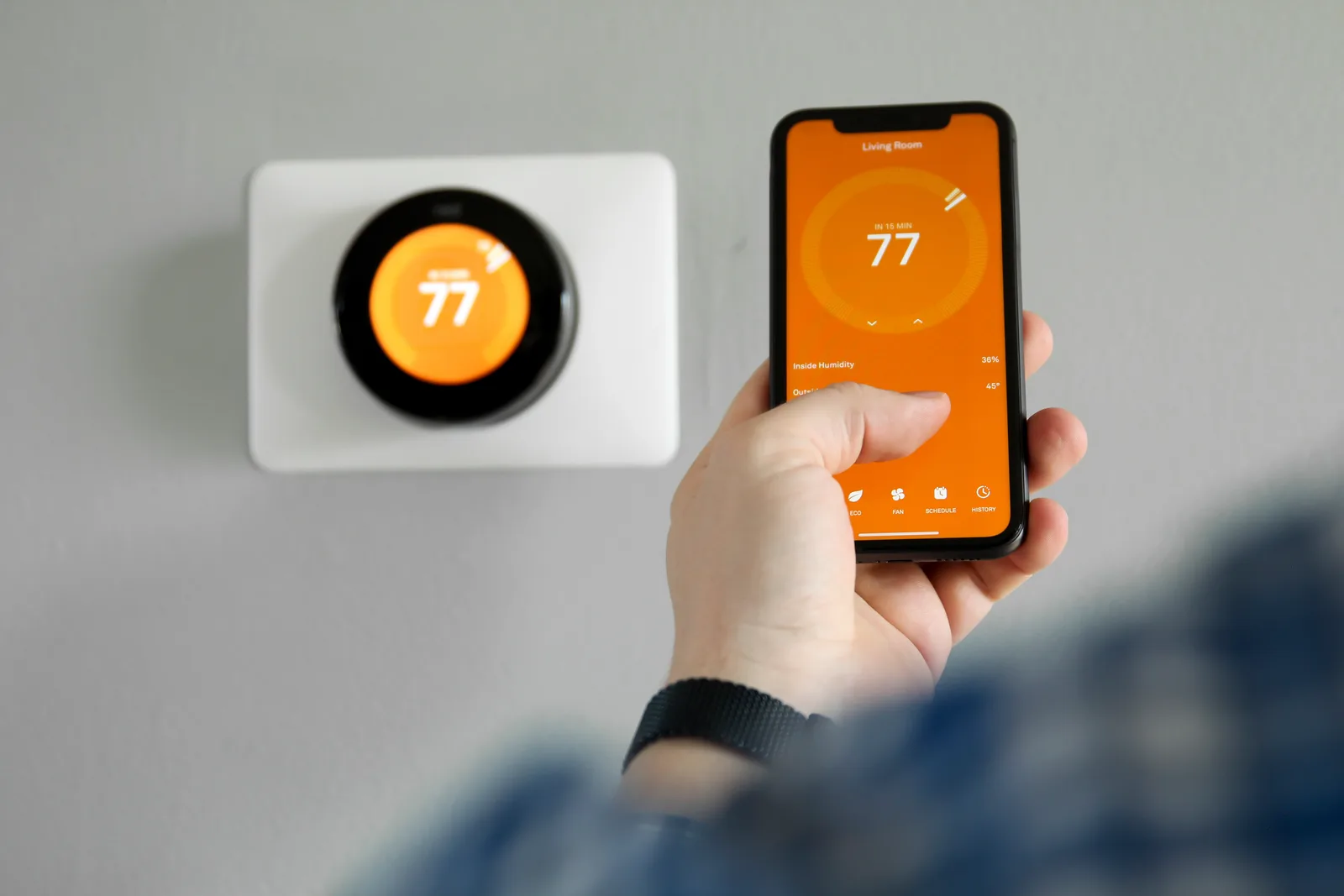
- Thermostat settings — many Honeywell models have a cycles-per-hour setting, and three per hour is the usual default for cooling. Ecobee has a minimum on-time. Either can be set wrong after a thermostat swap.
Never shutting off: undersized, starved or leaking
If the AC runs all afternoon on a 27°C day and the house still creeps up, the unit cannot remove heat as fast as it is coming in. Check the filter and the outdoor coil first, because a dirty coil or filter cuts capacity sharply. Then look at the house: west-facing glass on a 2000s build in Alton Village or Joshua Creek adds a large late-afternoon load, and attic temperatures on a sunny day push heat through thin ceiling insulation for hours after sunset. Leaky ducts in an unfinished basement return part of your cooling to the wrong place, and only after those are ruled out do we test refrigerant charge and compressor performance.
How to time a cycle yourself
- Pick a steady afternoon around 26°C and note when the outdoor fan starts and stops over one hour.
- Two or three runs of 15–20 minutes is healthy; five or more short runs is short cycling.
- Look at the thermostat's run-time history if it has one — ecobee and Nest apps show daily runtime, which makes a change from last summer obvious.
- Note the temperature drop across the coil: air from a supply register should be roughly 8–11°C cooler than air entering the return. A smaller split with long runs suggests low charge or poor airflow.
Weekday afternoons are also Ontario's summer on-peak window on time-of-use plans, so shaving unnecessary run time — closing west blinds, keeping the outdoor unit clean — shows up on a Burlington Hydro or Oakville Hydro bill quickly.
Quick answers to related questions
- Is it bad for the AC to run all day? Not if it is hot outside. Continuous running on a design day is normal; continuous running on a mild day is a sign of a problem.
- Why does my new AC run so much longer than the old one? Variable-speed and two-stage units are meant to run longer at lower output. Check the runtime against the electricity bill before assuming something is wrong.
- Should I set the thermostat fan to On or Auto? Auto for cooling. Fan-on keeps blowing air across a wet coil after the compressor stops and returns some of the moisture to the house. Other cooling questions are answered in the answers hub.
If your cycles have changed from last summer — much shorter, much longer, or stopping and restarting — that is usually a fault we can find in one visit. ZK Mechanical services central air across Burlington, Oakville and Hamilton through our cooling service; book online or call (647) 801-1252 and mention how long the unit is running.