
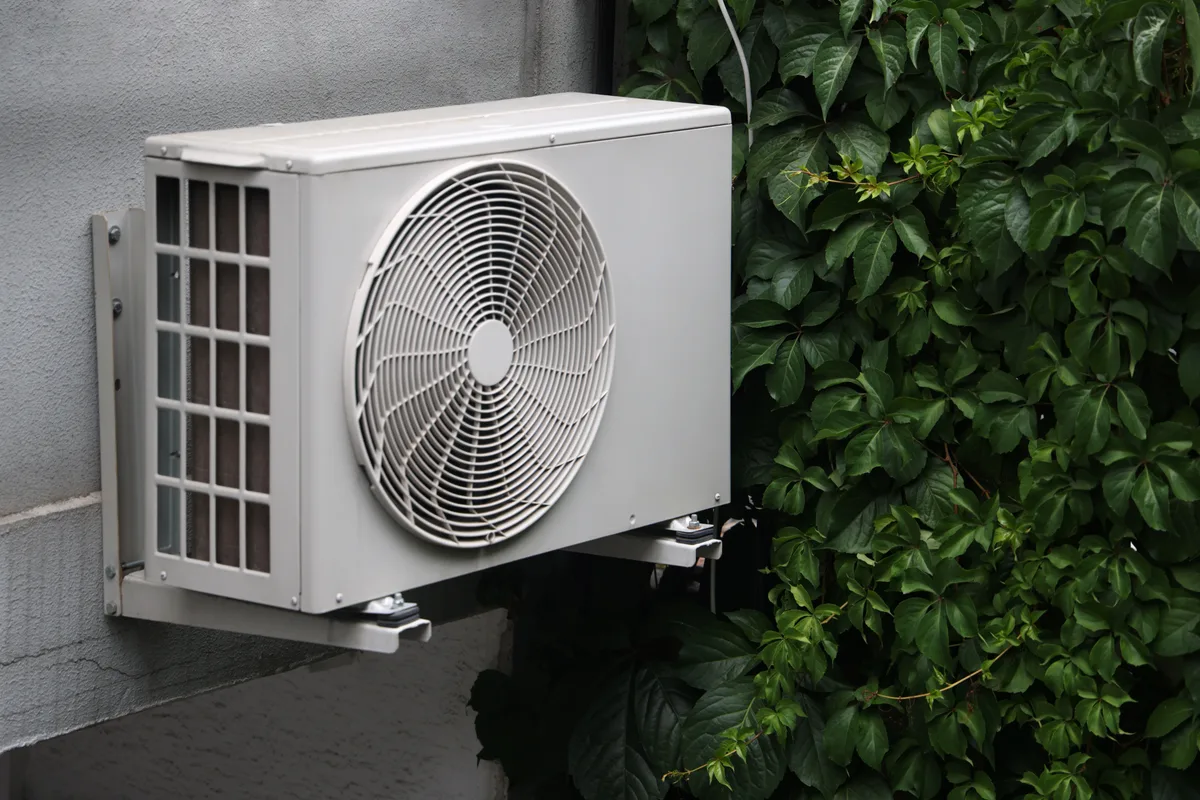
Heating a rural Caledon home with propane, electric or a heat pump is a three-way choice because most properties outside the villages have no natural gas main. Our answer for most of them: install a cold-climate heat pump as the main heat source and keep the existing propane or electric furnace as backup. Sized from a heat-loss calculation, the heat pump carries the house down to roughly −15 °C to −20 °C and the backup covers the coldest nights. A home heated by electricity, oil or propane qualifies for $1,250 per ton, up to $7,500, under the Home Renovation Savings Program.
Why Rural Caledon Homes Run on Propane, Oil or Electric
Enbridge Gas mains follow the built-up areas. Along the concession roads and sideroads between them, much of rural Caledon has no gas main, so houses were built with a propane furnace, an oil furnace or an electric furnace, and many also draw water from a private well. Extending a main to a single rural property is rarely practical, which is why the fuel question keeps coming back to what can be delivered or wired.
Electricity comes from Hydro One at most rural addresses. Hydro One's delivery charges in lower-density areas tend to run higher than those of the urban utilities, which matters more once the house heats electrically. It is one reason a heat pump, which moves two to three units of heat per unit of electricity over a season, beats an electric furnace by a wide margin here.
Propane Furnace, Electric Furnace or Heat Pump: How They Compare
- Propane furnace: strong heat in any weather, and it runs through a power outage on a small generator. Fuel is delivered, the price moves with the market, and the tank and regulator have to meet gas-code clearances.
- Electric furnace: the cheapest to install and almost nothing to service, but every unit of heat costs a full unit of electricity. Its running cost is the highest of the electric options.
- Oil furnace: still found in older farmhouses. An aging tank is an insurance question, and replacement parts and service get harder to find each year.
- Cold-climate heat pump: heats and cools from one outdoor unit and uses a fraction of the electricity of an electric furnace. It needs a backup heat source for the coldest hours and for defrost.
The comparison that matters is not heat pump against furnace. It is heat pump plus furnace against furnace alone, because in a rural house the two work as one system. The side-by-side numbers are in electric furnace vs heat pump.
Keeping the Existing Furnace as Backup
You do not have to throw out a working furnace. A ducted heat pump's indoor coil sits on top of the existing furnace, and the furnace blower moves the air for both.
With a propane furnace this is a dual-fuel system: the heat pump runs first and the furnace takes over below a set outdoor temperature. With an electric furnace the elements act as staged backup, coming on only when the heat pump cannot hold the setpoint and during defrost cycles. The rebate program allows an electrically heated home to keep its existing electric backup.
An old oil furnace is a weaker candidate. If it is past 20 years or the tank is due, we usually price an electric air handler or a propane furnace under the heat pump instead of building a new system on top of old equipment.
Where to Set the Switchover Temperature
With propane backup, set the switchover by capacity, not by habit. In a natural gas home the changeover is often set a few degrees below freezing because gas heat is cheap. Propane costs more per unit of heat, so the heat pump stays the cheaper source much colder, and the furnace should only take over where the heat pump can no longer carry the house.
On a correctly sized cold-climate unit that point usually falls between −15 °C and −20 °C. We set it from the heat-loss calculation and the manufacturer's capacity table, then adjust after the first cold snap using run-time data from the thermostat.
Free quotes, written pricing.
With electric backup there is no switchover. The heat pump keeps running at every temperature it is rated for, because even in deep cold it delivers more heat per kilowatt-hour than the elements do. The setting that matters is the lockout that keeps the elements off in mild weather.
Sizing and Placement on an Exposed Rural Lot
Rural lots lose more heat than the same house in a subdivision. There are no neighbours to break the wind, older farmhouses leak air, and the higher ground around the Niagara Escarpment runs colder and windier than the lakeshore. A heat-loss calculation to CSA F280, with the wind exposure entered honestly, is the only sound way to size the equipment.
- Size on heating capacity at −15 °C from the manufacturer's table, not on nominal tonnage, which is a cooling number.
- Mount the outdoor unit on a stand above the expected snow depth, clear of roof run-off and out of the drift that forms on the sheltered side of the house.
- Keep the coil out of the prevailing west wind where possible, or add a wind baffle the manufacturer approves.
- Give defrost meltwater somewhere to go that is not a walkway or the well head.
- Keep the line set short and the unit reachable for service in January.
Electrical Service, Hydro One and Power Outages
A house that already has an electric furnace usually has the panel capacity for a heat pump, because the furnace elements were the largest load in the building. A propane or oil house on a 100-amp service needs a load calculation before anyone promises a price. Any new circuit is filed with ESA by a licensed electrical contractor.
Outages are the other rural reality. A propane furnace needs only a small generator to run its blower and controls, while a heat pump or an electric furnace needs a much larger one. That is a practical argument for propane as the backup fuel on properties where an ice storm can take the power out for hours. If the house is on a well, the pump needs power too; our guide to well water and water heaters in rural Caledon covers that side.
Rebates and What the Job Costs
Homes heated by electricity, oil, propane or wood sit in the higher tier of the Home Renovation Savings Program: $1,250 per ton of cold-climate heat pump capacity, up to $7,500. Approval comes before the install, and the installer must be on the program's participating-contractor list. The federal Oil to Heat Pump Affordability Program closed its intake on July 31, 2026.
- Whole-home ducted cold-climate heat pump: roughly $6,000–$16,000 installed before rebates, depending on capacity and electrical work.
- A 3-ton cold-climate system: $9,500–$15,000 installed.
- Rebate on a 3-ton system in a propane, oil or electric home: $3,750. On a 4-ton system: $5,000.
- Replacement furnace on its own: no current Ontario program pays for it.
Current amounts and eligibility rules are on our Home Renovation Savings Program page. We file the paperwork as part of the job.
Verdict: What to Install in a Rural Caledon Home
- Electric furnace today: add a cold-climate heat pump and keep the furnace as air handler and backup. This is the largest saving and the simplest job.
- Propane furnace under 12 years old: add a heat pump as dual fuel and set the switchover low. Propane deliveries shrink to the coldest weeks.
- Propane furnace near the end of its life: replace both together. Choose a new propane furnace as backup if outages are a concern, or an electric air handler if you have generator capacity or a wood stove.
- Oil furnace: plan the exit before the tank forces it, and take the higher rebate tier while the house still counts as oil-heated.
- No ductwork: a ductless or slim-ducted cold-climate system, sized room by room.
We work in Caledon from our Burlington shop and start every quote with a heat-loss calculation and a look at the panel, the tank and the place the outdoor unit will sit. See heat pump installation, the local page for heat pump installation in Caledon, or contact us for a written quote.
Frequently asked questions
Will a heat pump keep a Caledon farmhouse warm in January?
A cold-climate model sized from a heat-loss calculation will carry most houses through a normal January day, and the backup furnace covers the coldest nights. A leaky, uninsulated farmhouse is harder: air-sealing and attic insulation should come first or alongside, because they shrink the load the heat pump has to meet and the size of equipment you pay for.
Should I keep my propane tank if I install a heat pump?
Usually yes. Keeping the propane furnace as backup means the house still heats during an outage on a small generator, and the tank only gets drawn down in the coldest weeks. Talk to your propane supplier about the delivery schedule and tank rental terms, since your annual use will drop sharply once the heat pump does most of the work.
Is an electric furnace cheaper to run than propane in rural Caledon?
It depends on the delivered propane price and your Hydro One rate plan in a given winter, and both are costly ways to heat. A cold-climate heat pump undercuts either one, because it delivers two to three units of heat for each unit of electricity over a season. That is why we add the heat pump first and keep the existing furnace for backup.
Can I get natural gas extended to my rural Caledon property?
Ask Enbridge Gas for a service estimate; the answer depends on how far the nearest main is and how many neighbours would connect. For a single property on a concession road the cost is often impractical. If a main does reach you later, a propane furnace can usually be converted to natural gas, so a heat pump with propane backup does not close that door.