
Quick answer
If your water heater floods your basement, stay out of standing water that touches outlets, cords or appliances, and cut power at the panel only if you can reach it dry. Then close the cold shut-off above the tank, or the main at the meter, and turn the gas control to OFF. Photograph everything for insurance and start drying within 24 to 48 hours to prevent mould.
If your water heater floods your basement, work in this order: electricity, water, gas, then cleanup. A split tank does not stop at the 150 to 190 litres it holds. The cold supply keeps feeding it until someone closes a valve, which is why a failed heater can put far more than a tankful on the floor.
Is it safe to walk into the water?
Stay out if the water is deep enough to touch a wall outlet, a power bar, an extension cord or the base of a plugged-in appliance. If the electrical panel is somewhere you can reach on a dry floor, switch off the main breaker or the basement circuits before stepping in. If the panel itself is in the flooded area, do not wade to it: call your local utility, whether that is Burlington Hydro, Oakville Hydro, Milton Hydro, Alectra or Hydro One, and ask for a disconnect at the meter.
How to stop the water and the heat
- Close the cold shut-off: the valve on the cold pipe entering the top of the tank. A lever handle turns a quarter turn until it sits across the pipe; a round handle turns clockwise until it stops.
- If that valve will not close or the water keeps coming, close the main shut-off where the water service enters the house, beside the meter.
- Gas tank: turn the control dial on the front to OFF and close the gas shut-off on the line beside it.
- Electric tank: switch off its breaker before the tank drains. An element that fires in an empty tank burns out in seconds.
- Power-vent tank: unplug the blower only if the cord and the outlet are dry.
- Drain what is left: thread a garden hose onto the drain valve at the base, run it to the floor drain or sump, and open a hot tap upstairs to let air in.
If the valves are stiff or you are unsure which is which, how to turn off a leaking water heater walks through each one with the handle positions.
What gets replaced, not dried, after a water heater flood
A tank that has split or rusted through at the bottom cannot be repaired, because the steel inner tank itself has failed. That heater is replaced. The question is what else sat in the water.
- Gas controls and burners: a gas control valve, burner or pilot assembly that has been under water is replaced, not dried out. Water and silt inside a gas control corrode the parts that are supposed to shut the gas off.
- Electric elements and thermostats: a submerged lower element, thermostat and wiring are replaced, and soaked tank insulation rarely dries.
- The furnace beside it: an upflow furnace keeps its blower motor at the bottom of the cabinet, so a few centimetres of water can reach it. Leave the furnace switched off until it has been checked; what to do if your furnace was flooded covers that inspection.
- Anything plugged in at floor level: condensate pumps, sump pump controls, dehumidifiers and power bars.
Rented or owned: who pays for the tank and who pays for the damage
If the tank is rented, the rental company owns it and is responsible for repairing or replacing it. Call the number on the sticker on the jacket and write down the time you called. Rental agreements cover the equipment; damage to your flooring, drywall and contents goes through your home insurance, so check the agreement and call your insurer as well.
If you own the tank, you choose the contractor and the timing. A straight tank-for-tank swap typically runs $1,200–$2,500 installed, and same-day water heater replacement is usually possible when the call comes in early and the size is a common one. A rental at $25–$45 per month adds up to several times that purchase price over a tank's life, so a failed rental tank is a reasonable moment to compare.
Insurance photos and the 24-to-48-hour drying window
- Photograph before you move anything: the waterline on the walls, the tank and where it failed, the rating plate with the model and serial number, and every damaged item.
- Call your insurer early and ask whether they are sending their own restoration contractor. Whether the claim is paid often turns on sudden failure versus a slow leak, explained in does home insurance cover a leaking water heater.
- Ask the adjuster before the old tank is hauled away. Keep receipts for pumps, fans and dehumidifier rentals.
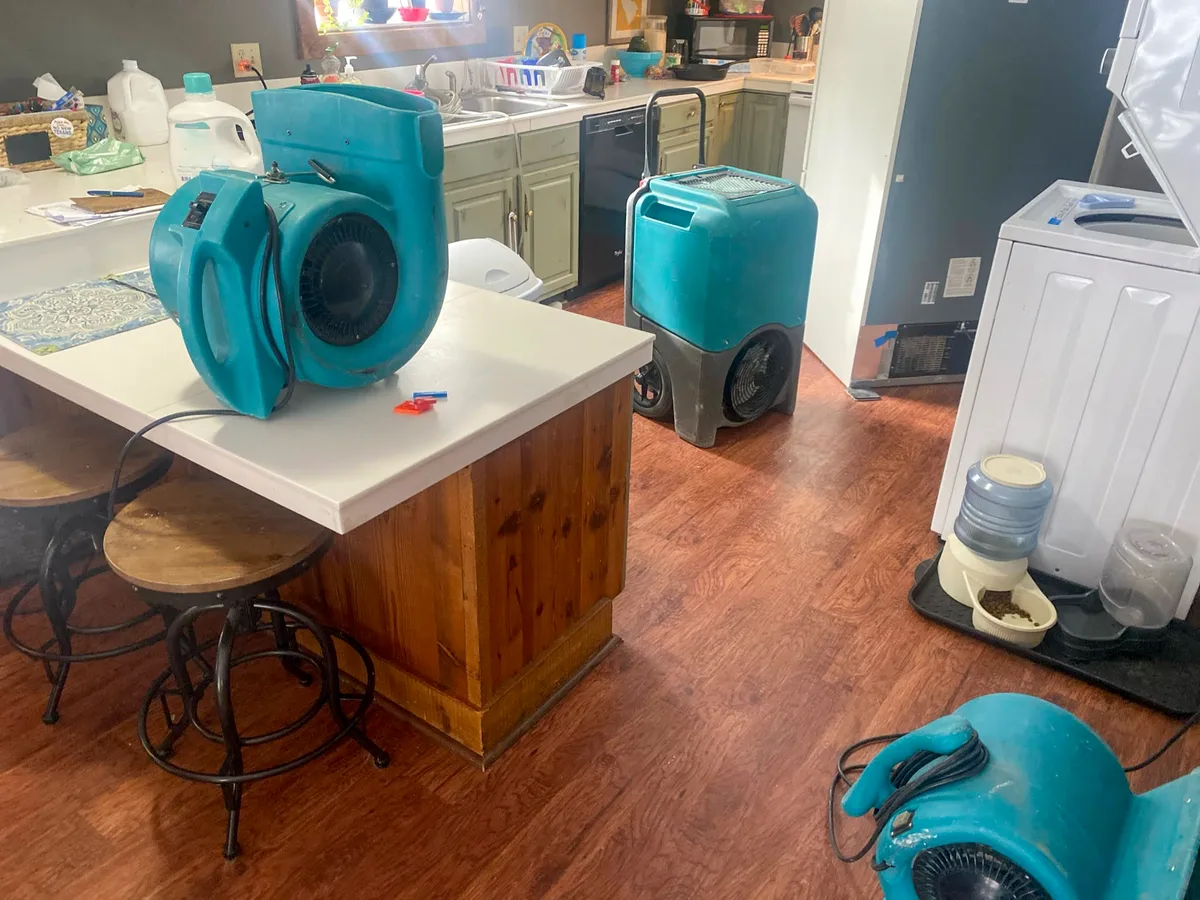
- Get the water out with a wet vacuum or pump, then run air movers and a dehumidifier. Mould can begin growing on wet drywall, baseboards and carpet underpad within 24 to 48 hours.
- Lift carpet off the underpad and pull baseboards where water wicked up the wall. Soaked underpad and the bottom edge of drywall seldom dry in place.
Finished basements raise the stakes. In many 1970s–90s subdivision houses and 2000s+ builds the water heater sits in a small utility room with carpet or laminate on the other side of the door and no drain pan under the tank. A leak alarm on the floor and a pan piped to the drain are inexpensive additions to ask for with the new heater.
ZK Mechanical replaces failed tanks, checks the furnace and any gas controls the water reached, and gives you a written price before work starts. For water heater repair and replacement in Burlington, Oakville, Milton and Hamilton, call (647) 801-1252 any hour, or send us the tank's rating plate photo so we arrive with the right size.