
Quick answer
A NOSI, or notice of security interest, is a registration on your home's land title showing that a company claims an interest in a fixture such as a rented or financed furnace, air conditioner or water heater. Ontario's Homeowner Protection Act, 2024 banned new NOSIs for consumer goods on June 6, 2024 and deemed existing ones expired. The rental or financing contract itself still stands.
A NOSI on a furnace or water heater in Ontario is a notice registered against the title to your house, not against the equipment. It tells anyone who searches the title, such as a buyer's lawyer or a mortgage lender, that a company has a security interest in something attached to the building. Most homeowners first hear the word during a sale or a refinancing, when the lawyer finds one nobody remembers agreeing to.
How a NOSI ends up on a house title
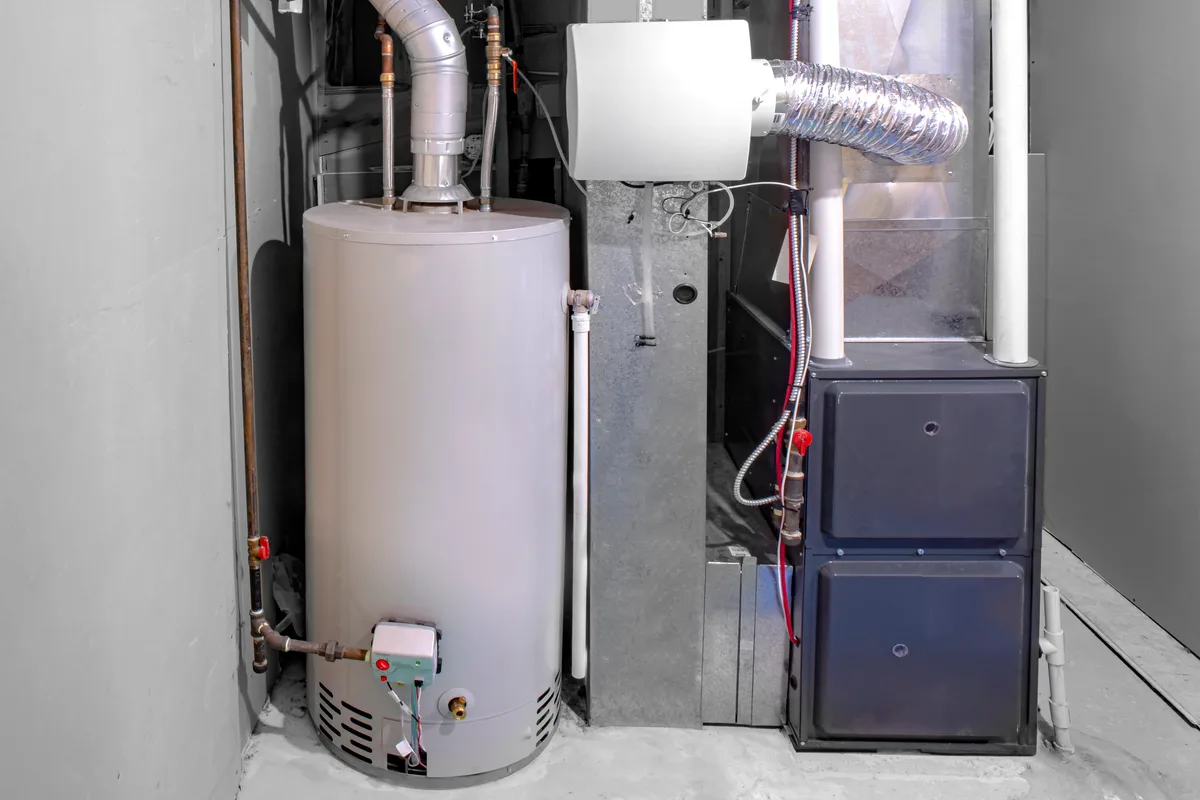
When equipment is rented or financed, the supplier keeps an interest in it until the contract is paid out. Because a furnace or a water heater becomes a fixture once it is installed, Ontario's Personal Property Security Act let the supplier register a notice of that interest on the land itself. The registration was permitted by the fine print of the rental or financing contract, often one signed at the door. Equipment that commonly carried one:
- Rental water heaters, tank and tankless.
- Rented or financed furnaces and air conditioners.
- Water softeners, water filters and air purifiers sold on long leases.
Why NOSIs caused trouble at sale or refinancing
A NOSI did not block a sale by itself, but lenders and buyers want a clean title, so it had to be dealt with before closing. That gave the company holding it leverage at the worst moment. Homeowners were quoted payout figures well above what the equipment was worth to have the notice discharged in time, and some found several notices on one house from different door-to-door contracts.
What the Homeowner Protection Act, 2024 changed
The Homeowner Protection Act, 2024 (Bill 200) became law on June 6, 2024. It did two things: it banned registering a new NOSI on title for consumer goods, and it deemed every consumer-goods NOSI already registered to be expired. An expired notice no longer affects the land. It can still appear on the parcel register until someone applies to have it deleted, which is covered in removing an HVAC lien from your title.
The ban is limited to consumer goods, meaning equipment for a household. A notice tied to equipment supplied for a business, such as a rooftop unit on a commercial plaza, is outside it.
What the NOSI ban did not do
- It did not cancel the rental or financing contract. You still owe what the contract says you owe.
- It did not erase the company's security interest in the equipment. The supplier keeps its ordinary contract remedies, which can include collections, court action and taking the equipment back.
- It did not make the equipment yours. A rented tank stays the company's tank until it is bought out or returned.
- It did not remove the entry from your title automatically.
A separate rule may help with the contract itself. If it was signed at your door after March 1, 2018 without you inviting the company, it may be void under the Consumer Protection Act; cancelling a door-to-door HVAC contract explains that test.
How to find out whether your house has a NOSI
Search the parcel register for your property through OnLand, Ontario's online land registry portal, or ask your real estate lawyer to pull it; ServiceOntario's land registry line is 1-888-278-0001. A NOSI shows as a registered instrument naming the company, with a registration number and date. Match the company name against the equipment in your basement: the sticker on the tank, the label on the furnace and the monthly charge on your statements. How to tell whether a water heater is rented or owned helps with that last part.
Buying out the rental behind the notice
The practical question behind most NOSIs is whether to keep paying rent. The published numbers for a gas tank water heater:
- Rental: $25–$45 per month, or roughly $4,500–$8,000 over a 15-year tank life.
- Owned: $1,500–$3,000 installed for a quality gas tank.
- Tank-for-tank swap when a rental goes back: $1,200–$2,500 installed.
Ask the rental company for its buyout figure in writing and compare it with those rows. ZK Mechanical handles the equipment side: a written quote for a water heater rental buyout or replacement, and the new install if returning the rental makes more sense. The title and contract questions belong with a lawyer; for the equipment, call (647) 801-1252 or get in touch.