Quick Answer
Every 3 to 5 years is a reasonable interval for most GTA homes — duct cleaning is not an annual service, despite what telemarketers suggest. Clean sooner after renovations, when moving into a home with unknown history, after pest or mould problems, or if household members have allergies and vents show visible dust. A good furnace filter, changed regularly, matters more than frequent cleaning.
If you own a home in the GTA, you've probably had the duct-cleaning robocall implying your ducts need cleaning every year. They don't. Ducts in a well-sealed system with a decent filter accumulate dust slowly, and even the U.S. EPA's guidance is that cleaning is situational rather than scheduled. Here's an honest framework.
The 3–5 year baseline, and when to move it up
- After any renovation — drywall sanding and construction dust load ducts faster than years of normal living. Clean once the work is done.
- When you buy a home — you inherit the previous owners' dust, dander, and possibly decades without cleaning.
- Pets that shed heavily — two dogs and a cat can justify the 3-year end of the range.
- Smokers in the home, or recent mould/water damage — clean and address the source.
- Visible evidence — dust puffing from vents at startup, matted debris inside registers, or musty smells when the blower runs.
- Pest activity — droppings or nesting material in ducts calls for cleaning plus exclusion work.
What matters more than cleaning frequency
Three things keep ducts clean far more effectively than frequent cleaning: a quality filter changed on time (see how often to change your furnace filter), sealed duct joints that stop the system inhaling attic and basement dust, and keeping return grilles unblocked and vacuumed. If dust reappears within months of a cleaning, the system is pulling it in through leaks — that's a duct sealing problem cleaning alone won't fix.
Does duct cleaning improve air quality or efficiency?
It helps most when there's a real contamination event — renovation dust, mould, pests. For day-to-day allergy management, filtration upgrades (a MERV-11 to 13 filter, or a whole-home air purifier) deliver more benefit, because they remove particles continuously instead of once every few years. Efficiency gains from cleaning are modest unless the blower wheel or coil were heavily fouled — which is really a maintenance issue.
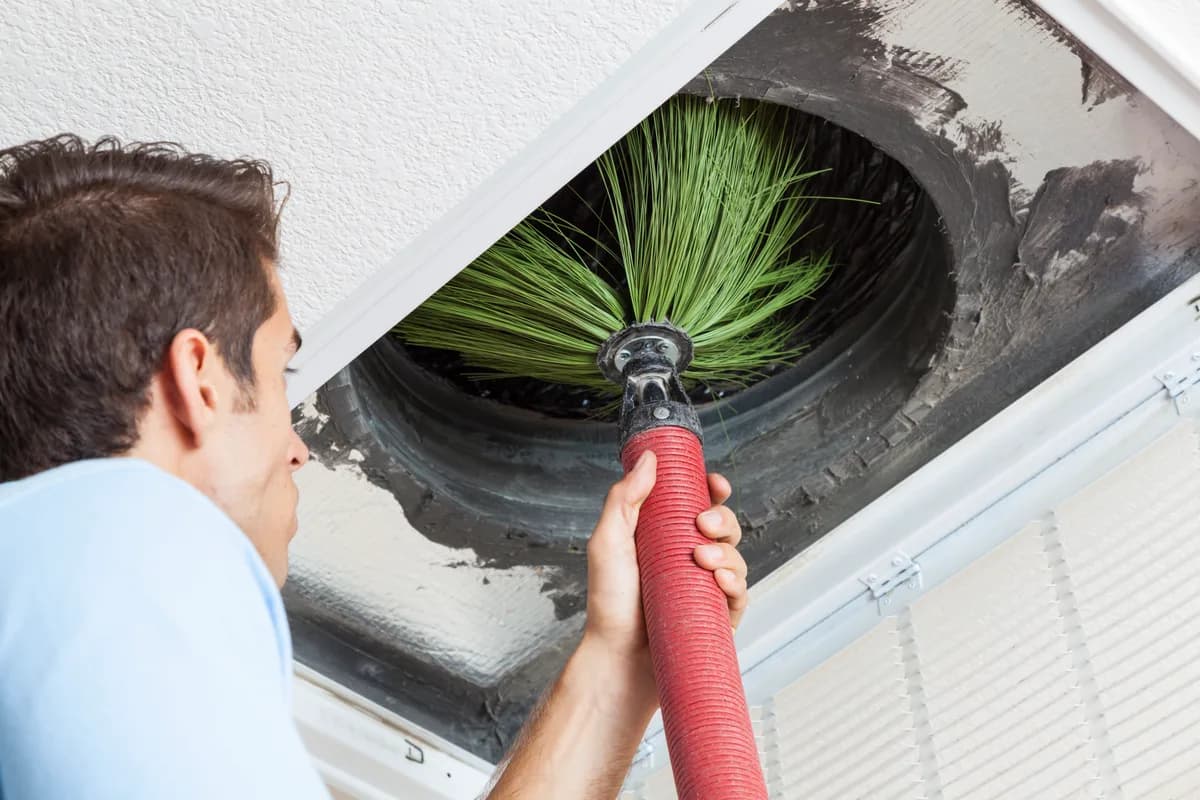
Wondering what a legitimate cleaning should cost? See our breakdown of duct cleaning prices in the GTA. And when it's time, ZK Mechanical does it properly — negative pressure, every run agitated, photos on request. Book here.
Need a Professional? We Can Help
ZK Mechanical's licensed technicians serve the entire Greater Toronto and Hamilton Area with upfront pricing and 24/7 emergency availability.