
Quick answer
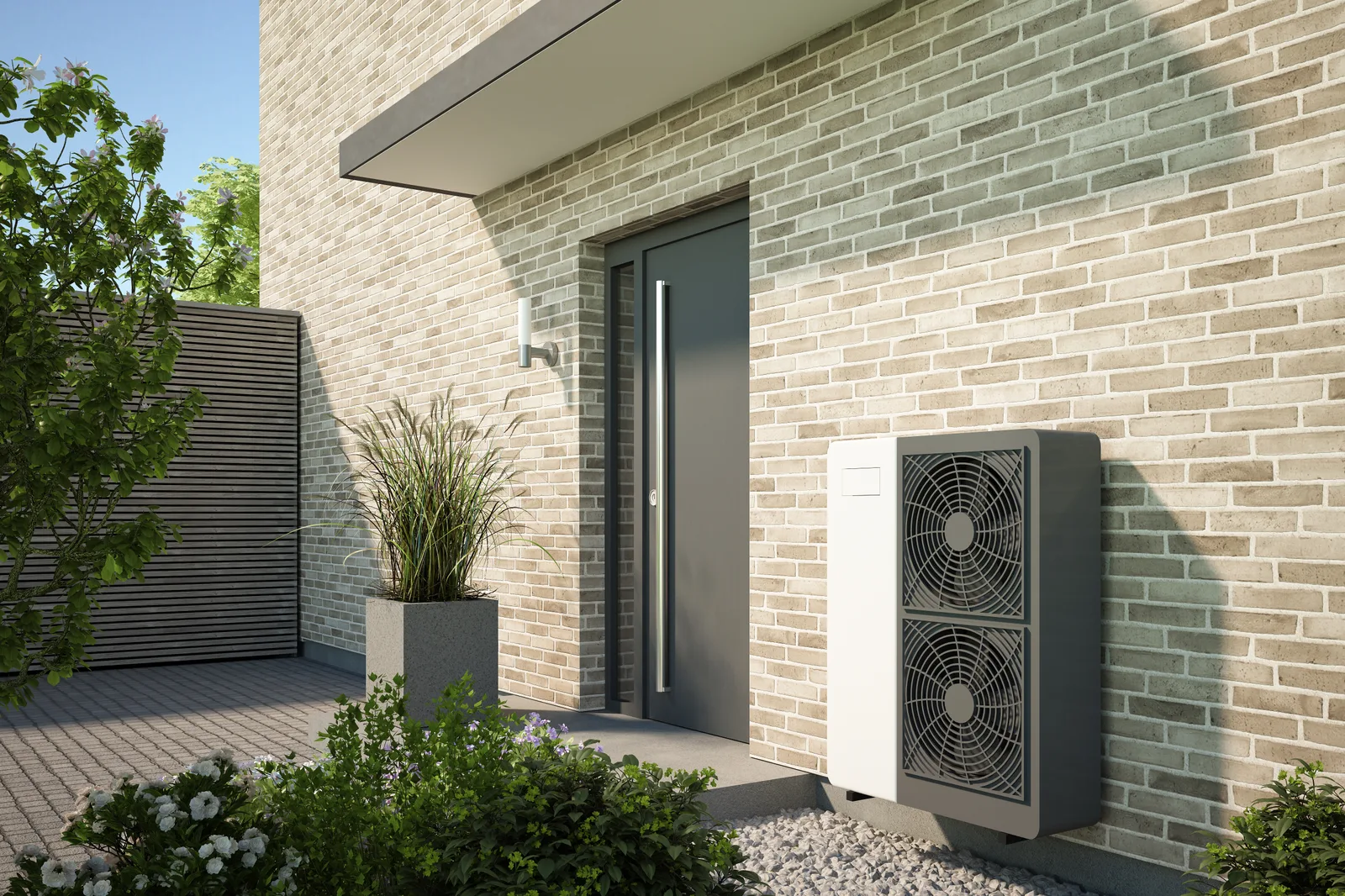
An air-source heat pump in Ontario typically lasts 12 to 15 years, and a well-installed, well-maintained unit often reaches 15 to 20. Because it runs in both seasons, it accumulates more compressor hours a year than an air conditioner, so correct sizing, placement above the snow line and annual maintenance matter more than they do for an AC. Ductless systems fall in the same range.
How long a heat pump lasts — 12 to 15 years typically, 15 to 20 when it is installed and maintained well — comes down to three things decided on installation day and one decided every year after: sizing, placement, commissioning quality, and maintenance. The machine is essentially an air conditioner with a reversing valve, so its lifespan starts from the same baseline as an air conditioner in Canada and then moves up or down from there.
A heat pump lasts 12–20 years depending on the system type
- Ducted air-source heat pump (whole home): 12–15 years typical, 15–20 with good maintenance and a variable-speed compressor
- Ductless mini-split heat pump: a similar 12–20 years; the indoor heads often outlast the outdoor unit
- Hybrid (heat pump plus gas furnace): the heat pump lasts about as long as a standalone unit, while the furnace runs far fewer hours and can outlast its usual span
- Geothermal: the indoor unit lasts 20–25 years and the ground loop far longer, but drilling or trenching the loop makes it a different project and budget
Why a heat pump works harder than an air conditioner
An air conditioner in Burlington runs perhaps three to four months a year. A heat pump runs those same months plus the entire heating season, so it logs roughly two to three times the compressor hours annually, and a cold-climate unit's hardest hours come on the coldest nights, when the compressor is running at its highest speed. Variable-speed compressors soften this by running long, gentle cycles instead of hard starts, which is one reason they tend to outlast single-stage units.
What shortens a heat pump's life
- Oversizing. A unit too big for the house short-cycles all shoulder season and the compressor sees thousands of extra starts. What size heat pump do I need explains how sizing is done properly.
- Set at grade in the snow. A unit that spends winter half-buried, or under a roof drip line, spends its life in defrost and ice. A stand or bracket above the snow line is the single cheapest life-extender there is.
- Poor commissioning. A line set that was not properly evacuated, or a charge set by guesswork instead of by weight and subcooling, wears the compressor quietly from day one.
- Dirty coils. A coil packed with cottonwood fluff from June and leaf litter from a mature Roseland or Tyandaga lot runs hotter and harder in summer and frosts faster in winter.
- Skipped maintenance. Defrost sensors, contactors and capacitors are cheap when caught at a tune-up and expensive when they take the compressor with them.
Warranty: register it and keep the paperwork
Most major brands give a 10-year parts warranty when the unit is registered within the window after installation, and a shorter one when it is not; some extend the compressor warranty further. Register it the week it goes in, keep the invoice, and keep maintenance records, because some manufacturers ask for them on a compressor claim. Labour is generally not part of the manufacturer's warranty at all; whatever labour coverage you have comes from the installing contractor. Understanding your HVAC warranty has the fine print.
Signs a heat pump is nearing the end
- Hydro bills climbing over two or three winters with no change in the weather or the thermostat.
- Ice on the outdoor unit more often each season, or a refrigerant top-up two years running, which means a leak nobody has found.
- The compressor hard-starting with a thud, or running noticeably louder than it did.
- Backup heat running for more hours than it used to at the same outdoor temperature.
Repair or replace an aging heat pump?
Under 10 years old with a failed capacitor, contactor, fan motor or defrost board: repair, without hesitation. Over 12 years old with a failed compressor or a leak inside the coil: replacement usually wins, because R-410A is being phased down in favour of A2L refrigerants and its price is climbing for older units, and Ontario's current heat pump rebate (up to $7,500, depending on system) applies to a new unit and never to a repair.
Owners of 2000s builds in Alton Village and the Orchard are hitting this decision now. The furnace and air conditioner from the original build are at the end of their run together, and replacing both with a heat pump or a hybrid is often a better use of the money than a new AC alone; the heat pump cost guide for Ontario lays out the ranges.
ZK Mechanical commissions heat pumps by weighed charge and measured airflow, and our maintenance plans cover the two seasonal visits that keep one running toward the 20-year mark. For a replacement quote or a second opinion on an older unit, contact us or call (647) 801-1252.