
In short
A reversing valve is the four-way valve that lets a heat pump both heat and cool by swapping the direction of refrigerant flow. The whoosh you hear when it shifts for defrost is normal. A unit stuck in one mode, or lukewarm in both, points to the valve or its 24-volt solenoid: the solenoid is a small repair, the valve body a major one.
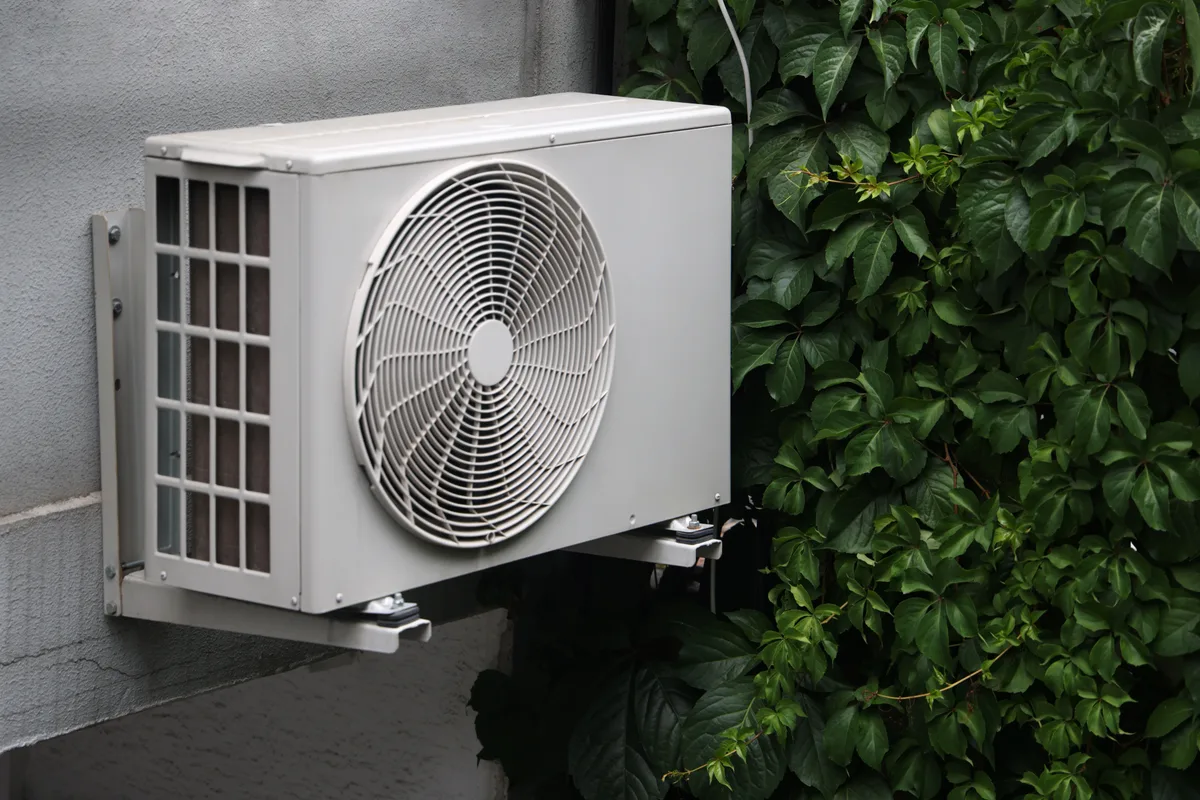
One part separates a heat pump from an air conditioner. What is a reversing valve? It is a brass body about the length of your hand with four copper tubes brazed to it, three on one side and one on the other, mounted near the compressor in the outdoor unit. Inside is a slide that directs the compressor's hot discharge gas to either the outdoor coil or the indoor coil.
What a reversing valve does in heating, cooling and defrost
In cooling mode the valve sends hot gas to the outdoor coil, which rejects the heat outside. In heating mode it sends the hot gas indoors instead, and the outdoor coil becomes the cold side that collects heat from outdoor air. The slide is not moved by a motor. A small 24-volt solenoid opens a pilot port, and the system's own refrigerant pressure pushes the slide across.
In an Ontario winter the valve shifts far more often than twice a year. Every defrost cycle switches the unit to cooling mode for a few minutes to melt frost from the outdoor coil, then back to heating. The loud whoosh or hiss at the start and end of defrost is the pressures equalizing through the valve, and it is normal. Our post on the heat pump defrost cycle describes what else you will see and hear.
How a reversing valve fails, and what only looks like a bad valve
- Stuck in one mode: the system cools when heat is called, or heats when cooling is called. Either the solenoid is not being energized or the slide is jammed.
- Stuck part-way or leaking internally: hot gas bleeds straight across to the suction side. The air is lukewarm in both modes and the compressor runs hot.
- Failed solenoid coil: the 24-volt coil clipped to the outside of the valve burns open. It is an electrical part, replaced without opening the refrigerant circuit.
- Seized valve body: debris or a damaged slide. Replacing it means recovering the refrigerant, brazing several joints beside heat-sensitive parts, evacuating and recharging.
Before anyone condemns the valve, the thermostat has to be ruled out. The O/B terminal tells the valve when to shift: most brands energize it in cooling (O) and a few energize it in heating (B). A new thermostat set to the wrong one makes a healthy heat pump blow cold air in heating mode. A broken wire to the outdoor unit, or a low refrigerant charge that leaves too little pressure to move the slide, produces the same symptom.
What a reversing valve repair costs and when it is worth doing
The two repairs sit at opposite ends of the bill. A solenoid coil or a thermostat configuration fix falls within the band for most repairs, $150–$800, with the $90–$150 diagnostic credited when you proceed. A valve body replacement is one of the larger refrigerant-side jobs on a heat pump and needs a technician holding an ODP card. We quote it in writing after confirming the diagnosis with temperature readings across the valve.
Decision rule: on a heat pump under about ten years old with a sound compressor, replace the valve. On an older unit, or one that has also lost its charge, compare the quote with a new outdoor unit before committing. The heat pump reversing valve replacement page explains the job step by step.
What to do if your heat pump is stuck in the wrong mode
Check that the thermostat is set to heat or cool as intended and has not been replaced or reset recently. If the vents blow cold air during a heating call for longer than the few minutes a defrost takes, switch the thermostat to emergency heat so the backup carries the house. Our answer on why a heat pump blows cold air in heating mode lists the other causes. Then book heat pump repair or send us a message from the contact page.
Questions people ask about Reversing valve
Is the whooshing sound from my heat pump normal?
Yes, when it lasts a second or two and happens at the start and end of a defrost cycle or when you change between heating and cooling. That is high-pressure and low-pressure refrigerant swapping sides through the reversing valve. A hiss that goes on continuously, or a whoosh followed by the wrong temperature at the vents, is worth a service call.
Does an air conditioner have a reversing valve?
No. A cooling-only air conditioner moves refrigerant in one direction and has no reversing valve, which is the main mechanical difference between it and a heat pump. A heat pump adds the valve, a defrost control and a second metering device so the same outdoor unit can heat the house in winter and cool it in summer.
Can a reversing valve be unstuck without replacing it?
Sometimes. A valve that hangs after sitting in one mode all season may free up when the technician cycles the solenoid with the system at full pressure. If it frees once and sticks again, or it leaks hot gas internally, it needs replacement. Tapping the valve body is an old trick that risks denting it, and we do not rely on it as a repair.