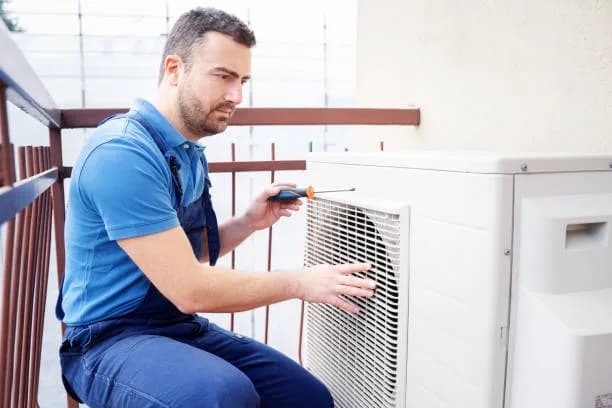
Book pre-winter HVAC maintenance for late September through mid-October in Ontario, and put the appointment in the calendar in August. That window catches faults while they are still cheap, while contractor schedules still have room, and before the first cold snap turns every neglected furnace in the GTA into a same-day call. Miss it and you are not in trouble — you are just in a queue behind people with no heat.
Why the window sits where it does
- Heating season in the GTA effectively starts with the first frost, which arrives earlier on the Escarpment above Waterdown and Ancaster than it does along the lakeshore in Burlington and Oakville
- A fault found in September is a scheduled part order; the same fault found in January is whatever the supply house has on the shelf
- Technicians in October are doing planned work, so a heat exchanger scope gets the time it deserves rather than being squeezed between breakdowns
- Anything that needs a follow-up visit — a part, a chimney liner, a humidifier — still has weeks of mild weather to happen in
- The equipment gets tested while you can still open a window if something smells or sounds wrong
A month-by-month plan for an Ontario house
- August — book the appointment. Nothing needs doing to the equipment yet, but the calendar is empty and you get the date you want rather than the date that's left.
- September — the tune-up itself. Fresh filter, humidifier pad replaced ($20–$40), bypass damper flipped to winter, CO alarm dates checked against the label on the back.
- October — put the air conditioning to bed and run a full heating cycle deliberately, before you depend on one.
- November — still workable, but expect a week or more of lead time. If you haven't run the heat yet, do it now rather than on the first cold night.
- December to February — anything you book competes with no-heat calls. Keep filters fresh, and clear the sidewall vent terminations after every heavy snowfall.
- March to April — book the cooling side. A weak capacitor or a slow refrigerant leak costs the same to fix in April as in July, and nobody is sweating while they wait.
What gets booked first, and why
- The furnace tune-up with combustion analysis — everything else is comfort, this one is safety and warranty
- A heat exchanger camera scope, worth repeating every few years and every year once the unit is past 12
- Carbon monoxide alarms at or past the service life printed on the housing — replace them by date, not by whether they still beep
- Humidifier service: a new evaporator pad and a damper change, which takes minutes during a visit you're already paying for
- Duct cleaning if it's been several years, or if there's been renovation dust in the house — see how often ducts should be cleaned
- The bathroom and kitchen exhaust fans, which is where winter humidity actually leaves the building
What we actually find on GTA furnaces in the fall
- Pressure switch tubing plugged by insects — wasps and hornets nest in the vent terminations over a quiet summer, and the furnace locks out on the first call for heat
- Flame sensors coated enough to give an intermittent ignition fault: three tries, then a lockout, usually at 4 a.m.
- Inducer motors with dry bearings that announce themselves as a rising whine before they seize
- Cracked heat exchangers — uncommon, but found by scoping, never by waiting
- Condensate traps and pumps silted up over a summer of air conditioning, which is what puts water on the floor in November
- Humidifier pads calcified into a solid sheet, and dampers still set to summer bypass
Free quotes, written pricing.
Shutting the air conditioning down at the same visit
- Clear leaves, cottonwood and grass clippings from around the condenser and rinse the coil — houses along the QEW and Plains Road collect road grit and salt spray that eats aluminium fins
- Kill power at the outdoor disconnect for the season so a thermostat left in auto can't call for cooling on a mild December afternoon
- Don't wrap the unit in plastic. Trapped moisture rusts the base pan and the cabinet becomes a rodent hotel — a board weighted on top keeps debris out and lets it breathe.
- Check where the condensate pump discharges: a line run to an unheated laundry sink or out through a rim joist will freeze and back up
If you're already past October
- Change the filter today; it costs nothing to do and it is the single most common cause of the calls we take in January
- Look at the burner flame through the sight glass — steady and blue is what you want
- Run a full heating cycle while you're home and awake, and listen to the start-up sequence: inducer, ignition, burners, then the blower
- Check every CO alarm's age and battery, and read what to do if the heat stops at night before you need it
- Take the next available appointment. A November slot beats an empty calendar, and a mid-winter slot beats none at all.
Maintenance plans take the timing off your plate
On an annual plan the contractor books the visit for you, which removes the failure mode this whole article is about — forgetting until it's cold. Plans that bundle the fall furnace visit with a spring AC visit run $150–$350 a year, and they normally carry priority scheduling and a discount on repairs. See what ZK Mechanical's HVAC maintenance plans include, and our guide on how often to service a furnace in Ontario for what a real visit covers.
Book your fall tune-up
ZK Mechanical runs pre-winter tune-ups across Burlington, Oakville, Hamilton and the wider GTA — combustion analysis, heat exchanger inspection, burner cleaning and safety control testing, with the readings written down. Get the appointment on the calendar while the weather is still on your side.
Frequently asked questions
When is the best time to book pre-winter HVAC maintenance in Ontario?
Late September to mid-October, with the call made in August while contractor calendars are still open. That timing leaves weeks of mild weather for any follow-up work — a part on order, a chimney liner, a humidifier — to actually happen. November still works with more lead time. From December on, planned visits sit behind households with no heat at all.
What should I do the week before I first turn the heat on?
Put in a fresh filter, clear anything stored against the furnace, check that the sidewall intake and exhaust terminations outside are open, and run a full heating cycle while you're awake to listen to the sequence: inducer, ignition, burners, blower. Test every carbon monoxide alarm and check the service-life date printed on the housing.
How long does pre-winter furnace maintenance take?
Budget 45 to 90 minutes for a single furnace, depending on how much cleaning the burners and blower wheel need. Adding the cooling side in the same visit takes another 45 to 60 minutes. A humidifier pad, a thermostat swap, or a heat exchanger camera scope each add time and are worth booking rather than squeezing in.
What if I missed the ideal window?
Take the next available slot rather than waiting for next fall. In the meantime, change the filter, check the flame colour, listen through the first few cold-weather cycles, and confirm your CO alarms are current. If the furnace makes a new noise or produces an electrical or persistent burning smell, that is not a maintenance booking — treat it as a service call.
Should I cover my air conditioner for the winter?
No, not with a full wrap. A sealed cover traps moisture against the base pan and coil, which accelerates corrosion, and it makes an attractive winter shelter for mice. A board or a fitted top-only cover weighted in place keeps leaves out while letting the cabinet breathe. The more useful autumn step is rinsing road grit off the coil and killing power at the outdoor disconnect.

