
Quick answer
Leave the building immediately. Do not touch light switches, appliances, thermostats, or phones indoors, and do not light any flame — a spark can ignite the gas. Once outside or at a neighbour's, call Enbridge Gas at 1-866-763-5427 or 9-1-1. Only after the gas utility confirms it's safe should you call a licensed technician for repairs anywhere in the GTA or Ontario.
If you smell gas in your house, leave — that is the whole first step. Natural gas is odourized with a rotten-egg scent precisely so you notice it long before it reaches a concentration that can ignite, and the safe response is identical for a faint whiff and a strong smell: everyone out, nothing switched on or off, and the call made from outside. Repairs come later and belong to a licensed technician. Do not try to find the leak yourself.
Do this immediately, in order
- Get everyone out — people and pets — and leave the door open behind you. Don't stop to gather belongings.
- Do NOT operate anything that could spark: no light switches (on or off), no appliances, no thermostats, no garage door, and no phones while inside.
- Do NOT light a match, lighter, candle, or stove, and don't smoke.
- Don't start a vehicle in an attached garage.
- Do not go hunting for a shut-off valve or the source of the smell. Leaving is the job; valves can wait for people with gas detectors.
Then call for help — from outside
- From outside or a neighbour's home, call Enbridge Gas's 24-hour emergency line at 1-866-763-5427, or call 9-1-1.
- If you hear a hissing sound, see blowing dirt or bubbling water, or anyone feels dizzy or nauseous, treat it as urgent and call 9-1-1.
- Stay well away from the building until the gas utility or fire service tells you it's safe to go back in.
- Do not re-enter to open windows or 'air it out' yourself — let the professionals clear the home.
What Enbridge does when they arrive
The utility's responder sweeps the house with a combustible-gas detector, checks the meter and the piping to each appliance, and shuts and locks the meter if a leak is confirmed. If the fault sits at one appliance, that appliance is tagged out of service. Enbridge makes the building safe — it does not repair your furnace, water heater or house piping, and the meter stays off until a licensed contractor has fixed the fault and the system holds pressure.
After it's confirmed safe: licensed repair
Once the house is cleared, a TSSA-licensed gas technician must find and fix the source before the gas flows again. Common culprits include a failed furnace gas valve, a loose union or flare fitting that was never soap-tested after a service call, a kinked flexible connector behind a range or dryer that was pushed back into place, or an old standing-pilot water heater whose gas valve no longer closes tight. A furnace that smells of gas for a second at ignition and a smell that lingers are different problems — why a furnace smells like gas separates them. And once you're safely back inside, how the gas shut-offs at your furnace work is worth five minutes, so the next time you know which valve does what.
Reduce the risk going forward
- Have your furnace and gas appliances inspected annually — combustion and gas-valve checks are part of a proper tune-up.
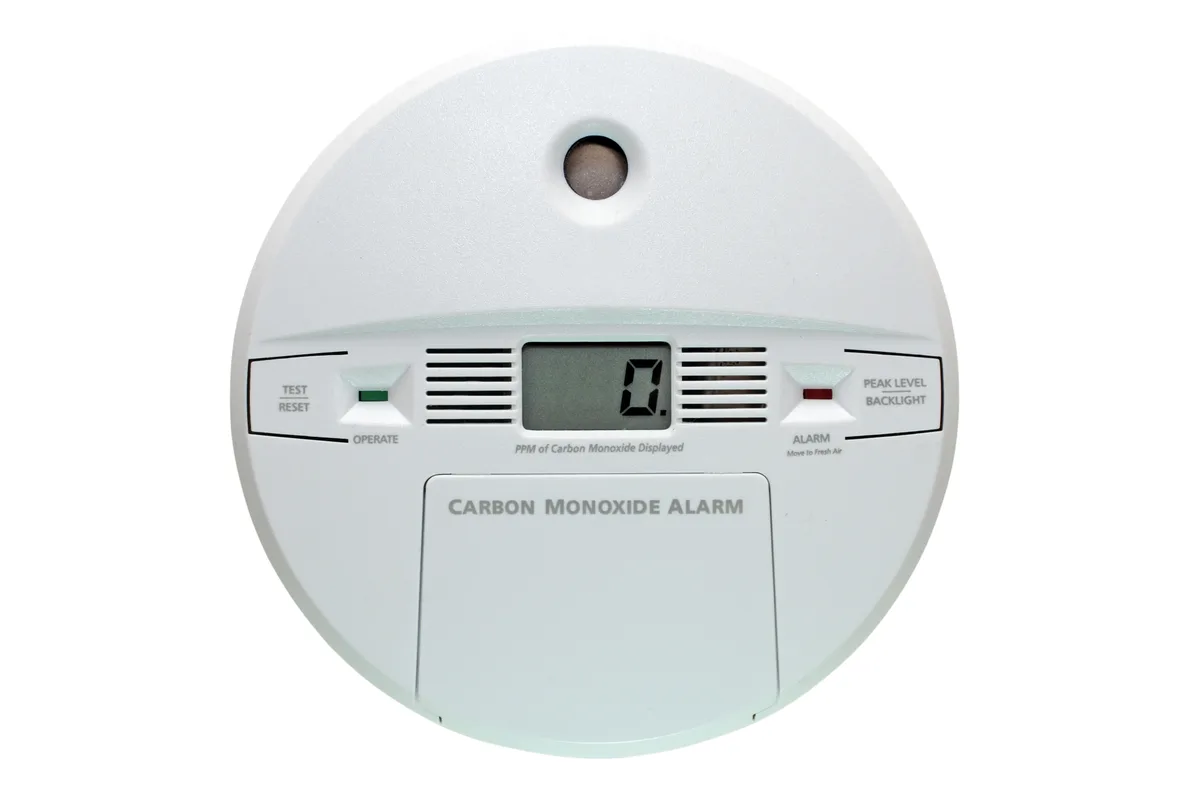
- Keep working carbon monoxide alarms near sleeping areas; gas problems and CO often go together (see can my furnace cause carbon monoxide).
- Never ignore a faint, persistent gas smell because it 'isn't that strong' — leaks can grow.
Gas-smell questions people ask afterwards
- What if the smell was faint and it's gone now? Call anyway, from outside. An intermittent smell often means a small leak that comes and goes with appliance cycles, and Enbridge's line exists exactly for the uncertain calls.
- Can I open windows on my way out? If one is on your path and opens without a motor or switch, fine — but never go back in to ventilate. That is the utility's job.
- Should I shut off the meter outside? Not unless the fire service or Enbridge tells you to. Once a meter valve is closed, only Enbridge relights the system, because every appliance must be purged and relit in order.
- Is it safe to use my phone outside? Yes. The no-phones rule applies inside the building, where a spark could meet accumulated gas.
- Is a rotten-egg smell from hot water taps the same thing? No — sulphur in the hot water is a water-heater anode reaction, and a sewer smell near a floor drain is a dry trap. If you cannot tell the difference, treat it as gas and call.
- Who pays for the repair? The homeowner, for anything on the house side of the meter. The utility's responsibility ends at the meter outlet.
Once Enbridge or the fire service has cleared your home, ZK Mechanical's TSSA-licensed technicians find and fix the fault, pressure-test the piping, and handle the furnace repair or appliance work that follows — with suspected gas and combustion problems put ahead of routine jobs on our 24/7 emergency line. Call (647) 801-1252 or contact us.