ZK Mechanical
Request a free quote
What do you need? Pick everything that applies

Free quote, in writing, no obligation. Or just call (647) 801-1252 — 24/7.

Home / Blog

Heating · 8 min read

Is It Normal for My Furnace to Smell Like Burning When First Turned On?

A faint dust smell on the first fall ignition is normal. Electrical, plastic, sulphur or smoke odours are not. How to tell them apart, smell by smell.

By ZK Mechanical Editorial Team✓ Reviewed by Zobir, licensed technician

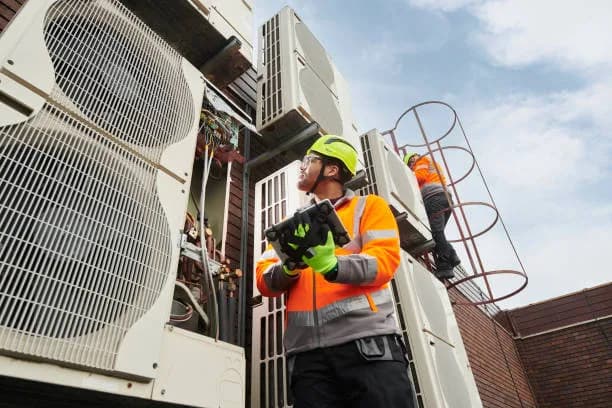
First-of-season furnace startup at a GTA home

A faint dusty, burning-paper smell on the first fall ignition is normal and harmless — it is the summer's dust burning off the heat exchanger, and it should fade within 30 to 60 minutes and not come back on the next cycle. Anything else is worth acting on: an electrical or hot-plastic odour, smoke from the registers, sulphur or rotten eggs, or a burning smell that persists across several cycles. Here is how to sort one from the other before you call anyone.

Smell by smell: what it is and what to do

  • Dusty, hot-paper — first ignition of the season only, fades in 30–60 minutes. Normal. Crack a window and carry on.
  • Electrical, hot plastic, or a sharp fishy note — turn the furnace off at the switch, and at the breaker if the smell is strong. Book a same-day service call.
  • Sulphur or rotten eggs — that is the odourant added to natural gas. Leave the house, then call the gas utility's emergency line from outside; our guide on what to do if you smell gas has the order of operations.
  • Smoke or visible particulate blowing out of registers — turn it off, ventilate, call.
  • Musty or damp when the blower runs — usually the humidifier pad, the condensate trap or moisture in the return; a service visit, not an emergency.
  • Sweet and faintly chemical during cooling season — think refrigerant, not combustion.
  • Hot metal or burning rubber under load — a seizing blower bearing. Turn it off before the motor cooks itself.

Why the first-of-season smell happens at all

Over six idle months, dust and lint settle on every surface inside the cabinet — the heat exchanger, the burner faces, the blower wheel, the first metres of supply duct. On the first burn, the heat exchanger runs hot enough that household dust cooks off, and the smell rides the air stream into the house. It is unpleasant, it is not dangerous, and it is done after the first cycle or two. Running the bath fans or opening a window for the first half hour clears it faster.

Burning plastic or hot electrical: what's usually behind it

The usual suspects are a blower motor whose bearings have gone and is now overheating, a failing run capacitor, or a scorched connection at the terminal block or limit switch. Overheated wire insulation gives off a sharp, faintly fishy smell that people rarely place until they've smelled it once. This is the category where shutting off power at the furnace disconnect is the right first move rather than the cautious one — a squealing bearing caught early is a lubrication or mount fix, and ignored for a season it becomes a $500–$1,500 blower motor.

When the smell points at the heat exchanger

A cracked heat exchanger rarely smells like burning. What it produces is a faint, sharp, slightly acrid odour, sometimes with headaches, nausea or flu-like symptoms that improve when everyone leaves the house. The visual tells are flames that shimmer or roll out when the blower kicks in, soot around the burner faces, and rust flakes in the burner compartment. A camera scope confirms or clears it in one visit — see whether a furnace can leak carbon monoxide.

Need a hand with this?

Free quotes, written pricing.

Call (647) 801-1252

Replacing a heat exchanger runs $1,500–$3,000 in parts and labour, and because the failure shows up most often on furnaces 15 years and older, that money is usually better spent on the replacement decision instead — our guide on repairing or replacing a 15-year-old furnace walks through the trade.

What Ontario requires for carbon monoxide alarms

Under the Hawkins-Gignac Act, every Ontario home with a fuel-burning appliance or an attached garage must have a working carbon monoxide alarm adjacent to each sleeping area. Alarms have a service life stamped on the back — commonly seven to 10 years — and they should be replaced by that date, not by whether they still chirp when tested. A model with a digital readout is worth the small premium, because a number tells a technician far more than a beep does. Any reading above zero means ventilate, get everyone outside, and call.

How to skip the first-cold-night smell entirely

  • Replace the air filter before the first ignition of the season, not after
  • Wipe accessible registers and return grilles with a damp cloth — that is where a surprising share of the dust lives
  • Book the annual tune-up for late September, so the burners and blower wheel are clean before the first burn — see how often to service your furnace
  • Run the furnace deliberately for half an hour on a mild mid-September day with a couple of windows open, and get the burn-off over with on your own schedule

Smells that aren't coming from the furnace at all

A sidewall combustion-air intake will happily pull in whatever is outside it — a neighbour's wood-burning fireplace on a still November evening, a car idling in the driveway, or barbecue smoke. Musty air on the first humid day is more often a calcified humidifier pad or a condensate trap that has been sitting in standing water since spring. And a return-air grille near the kitchen redistributes last night's cooking through the whole house. All of these read as furnace smells and none of them are.

When in doubt, call

Smells in the concerning column are not worth troubleshooting on your own — a diagnostic visit costs a fraction of a missed combustion problem. ZK Mechanical runs 24/7 emergency service across Burlington, Oakville, Hamilton and the wider GTA with no overtime or weekend surcharge. Get in touch whenever something smells wrong.

Frequently asked questions

Why does my furnace smell when I turn it on for the first time in fall?

A faint burning or dust smell on first ignition each fall is normal. Dust accumulated on the heat exchanger over summer burns off as the unit reaches operating temperature. The smell should fade within 30 to 60 minutes and not return on subsequent cycles. Replacing the air filter and running the unit briefly in mid-September can reduce the intensity.

When should I be worried about a furnace smell?

Be concerned when the smell is electrical or hot-plastic, persists across several cycles after the first ignition of the season, arrives with visible smoke from the registers, or smells of sulphur and rotten eggs. The first three warrant a same-day service call and shutting the furnace off in the meantime. The sulphur smell means natural gas: leave the house first, then call the utility's emergency line from outside.

How long should the dust burn-off smell last?

The dust burn-off smell on first ignition each fall typically lasts 30 to 60 minutes. By the second or third heating cycle of the season, the unit should run odorlessly. If you still smell burning after the unit has run several cycles spread over a day, the cause is something other than dust burn-off and warrants investigation.

Can a burning smell mean my heat exchanger is cracked?

Possibly, though a crack more often produces a faint sharp odour than a burning one, alongside headaches or nausea that ease when people leave the house. It matters because a crack lets combustion gases, carbon monoxide included, cross into the air your blower distributes. A camera scope confirms or clears it in a single visit. If a CO alarm reads anything above zero, get everyone outside first and call from there.

Should I run my furnace before I need it to burn off the dust?

Yes — running your furnace for 30 to 60 minutes in mid-September with a window cracked open is a good way to burn off accumulated dust before you actually need heat. Pair it with a fresh filter and your annual tune-up and you'll skip the unpleasant first-cold-night smell entirely.

Related services

← Back to all articles

Ready to get it fixed right?

Quick diagnosis or full upgrade — licensed technicians across the GTA & Hamilton.