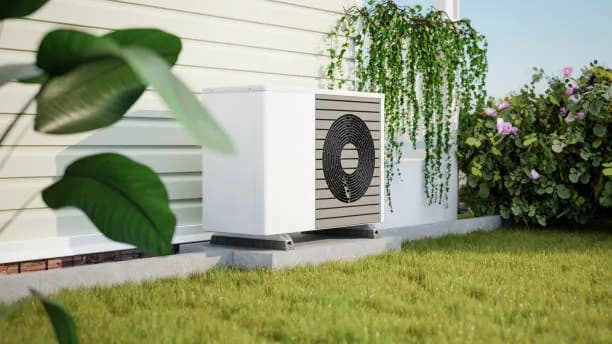
Five years ago, the heat-pump-vs-furnace question had a simple answer in Ontario: install a furnace, because heat pumps could not handle our winters. That answer is now wrong. Modern cold-climate air-source heat pumps maintain rated capacity down to -25°C and operate at -30°C with reduced output. Combined with 2026 rebates that pay $500–$1,250 per ton, the math has fundamentally changed. Here is the honest 2026 comparison.
Quick answer for most GTA homes: a hybrid system — cold-climate ASHP paired with a gas furnace as backup — is the optimal choice. Pure heat pump works well for tight, well-insulated homes south of Highway 7. Pure gas furnace makes sense if you have an under-2-year-old high-efficiency furnace already and want to defer.
How a Cold-Climate Heat Pump Actually Works in Ontario Winters
An air-source heat pump moves heat rather than creating it — even when outside air is well below freezing, there is heat energy in it that the refrigerant cycle can extract. Modern variable-capacity inverter compressors maintain 100% rated heating capacity down to roughly -15°C and continue producing 70–80% capacity to -25°C. The Coefficient of Performance (COP) at -10°C is typically 2.5–3.0, meaning every $1 of electricity produces $2.50–$3.00 of heat. That beats gas economics in many electricity-heated homes.
Side-by-Side Comparison
- Upfront cost (3-ton, GTA, installed): heat pump $9,500–$15,000 vs. high-efficiency gas furnace $4,500–$6,500
- 2026 rebate available: heat pump up to $7,500 (HRSP) — gas furnace generally $0 direct, $75 with thermostat
- Net upfront after rebates (gas-heated home, 3-ton): heat pump $8,000–$13,500 vs. furnace $4,425–$6,425
- Cooling included: heat pump YES (replaces both furnace and AC) — gas furnace NO (AC is separate)
- Annual operating cost (typical GTA home, gas heat baseline): heat pump 10–25% lower if your electricity rate is reasonable
- Cold weather performance: heat pump >70% capacity at -25°C — gas furnace 100% at any temperature
- Lifespan: heat pump 12–18 years — gas furnace 15–20 years
- Carbon: heat pump much lower (Ontario grid is mostly nuclear/hydro) — gas furnace burns natural gas directly
When a Heat Pump Wins
- Your home is well-insulated (post-2000 construction or recent retrofit)
- You currently heat with electric baseboards, oil, or propane (where ASHP economics are dramatic)
- You also need to replace AC at the same time (one unit, two purposes)
- You want to maximize 2026 rebates while they're still available
- Lower carbon footprint is a meaningful priority
When a Gas Furnace Still Wins
- You already have a high-efficiency furnace under 5 years old — keep it
- Your home is large, drafty, or poorly insulated (high heat loss makes pure ASHP marginal)
- Natural gas pricing in your service area remains very low and you don't need cooling
- Cabin or vacation property where electrical service is limited
Hybrid Systems — The 'Have It Both Ways' Option
A hybrid (dual-fuel) system installs a heat pump alongside your existing or new gas furnace. The heat pump handles heating until outdoor temperatures drop below a homeowner-set threshold (typically -10°C to -15°C), at which point the furnace automatically takes over. You get heat pump efficiency 90% of the heating season, gas reliability for the coldest 10%, full rebate eligibility, and AC included. For most GTA homeowners replacing both a furnace and AC simultaneously, this is the smart play.
What About SEER2 / HSPF2 Ratings?
For Ontario, prioritize HSPF2 (heating efficiency) over SEER2 (cooling). Look for HSPF2 ≥ 9.5 for cold-climate suitability. The NEEP cold-climate ASHP qualified products list is the authoritative source — and it's the same list NRCan uses for rebate eligibility. We've covered SEER2 in detail in [understanding SEER ratings for Ontario](/blog/understanding-seer-ratings-ac-efficiency-ontario).
Will My Electricity Bill Go Through the Roof?
If you currently heat with gas and switch to a pure heat pump, your electric bill will go up — by roughly $80–$160/month in winter for a typical GTA home — but your gas bill drops by more, netting savings. The math depends heavily on your electricity rate plan (Time-of-Use vs. Tiered vs. Ultra-Low Overnight). Switching to ULO if you have a heat pump can save another $200–$400/year because the heat pump shifts more load to overnight when rates are lowest.
Will I Still Need Backup Heat?
Most modern cold-climate heat pumps include built-in electric resistance backup (auxiliary strips) that engages automatically below the heat pump's effective threshold. In a hybrid setup, the gas furnace serves as the backup. We do not recommend installing a heat pump in Ontario without backup — it's standard, and code-compliant systems have it.
How to Decide for Your Specific Home
- Step 1: Get a Manual J heat-loss calculation done (real one, not a rule of thumb) — your installer should do this
- Step 2: Look at your last 12 months of gas + electricity bills to establish baseline cost
- Step 3: Model the heat pump scenario at your electricity rate plan (HRSP qualified-models list confirms rebate)
- Step 4: Decide pure ASHP vs. hybrid based on home insulation and your risk tolerance for very cold nights
- Step 5: Get a fixed-price installed quote with rebate paperwork handled by the installer
Get a Heat Pump Assessment for Your Home
ZK Mechanical does heat-loss-calculated heat pump assessments across the Greater Toronto and Hamilton Area, structures rebate paperwork to maximize your claim, and installs both pure ASHP and hybrid systems from major manufacturers. [Request a free heat pump consultation](/contact) and we'll model the numbers for your specific home, electricity plan, and goals before you commit.
Related ZK Mechanical Services
Need help with this in your home or business? Our licensed technicians serve the Greater Toronto and Hamilton Area.