ZK Mechanical
Request a free quote
What do you need? Pick everything that applies

Free quote, in writing, no obligation. Or just call (647) 801-1252 — 24/7.

Home / Blog

Heating · 9 min read

Is a Heat Pump Worth It in Toronto Winters? Honest 2026 Answer

Yes for most insulated GTA homes — especially if you heat with electricity, oil or propane, or are replacing AC anyway. The honest math at -20 °C.

By ZK Mechanical Editorial Team✓ Reviewed by Zobir, licensed technician

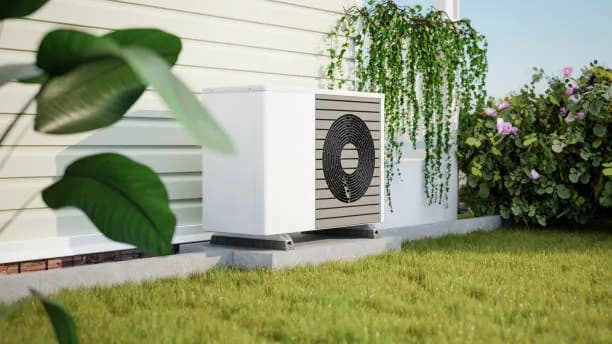
Heat pump operating in winter at a Toronto home

A heat pump is worth it in Toronto winters for most well-insulated homes — clearly worth it if you heat with electricity, oil or propane, and clearly worth it if you were about to replace a dying air conditioner anyway. A 3-ton cold-climate unit installs for $9,500–$15,000 in the GTA, and current Ontario programs return $500–$7,500 depending on the system. If you heat with gas, have no cooling to replace, and won't touch the furnace for another five years, the case is thinner and there's no shame in waiting.

Two GTA households, two different answers

  • Gas-heated 2,000 sq ft Mississauga two-storey with a 12-year-old condenser — the fair comparison is not heat pump versus nothing, it's heat pump versus the AC replacement you already committed to. The furnace stays as backup, the outdoor unit does both jobs, and the rebate comes off the top. Payback stretches long, but you were spending most of that money regardless.
  • Electrically heated 1,500 sq ft Toronto bungalow on baseboards — the fuel you're displacing costs several times more per unit of delivered heat than gas does, so the annual saving is large and the payback lands in a few years rather than a decade. You also gain central cooling the house never had.
  • Oil-heated house outside the gas footprint — the federal Oil to Heat Pump Affordability program applies only to oil-heated homes and stacks on top of provincial help. Check the program page for current amounts and eligibility before you budget anything.

What a cold-climate heat pump actually does at -20 °C

Modern cold-climate air-source units hold 90–100% of their rated heating capacity down to -15 °C and still produce roughly 60–75% at -25 °C. Design temperatures used to size heating equipment across the GTA sit in the high teens below zero, so the truly punishing nights are a handful per winter. On those nights the backup — electric resistance strips or your existing gas furnace — carries the shortfall for a few hours, then hands the load back.

The efficiency number that matters is COP, the ratio of heat delivered to electricity consumed. Around -10 °C a good inverter-driven unit still runs a COP near 2.5, meaning it moves about two and a half units of heat for every unit of electricity it draws. Electric baseboards sit at 1.0 by definition, which is why the baseboard-to-heat-pump swap is the easiest recommendation in this business.

The balance point is the number that decides your bill

Balance point is the outdoor temperature at which the heat pump's output exactly matches your home's heat loss. Above it, the heat pump carries the house alone. Below it, backup heat runs — and backup is where the money goes. Two houses with identical equipment can have wildly different bills because their balance points are 8 degrees apart.

A 2000s subdivision house in Milton or Alton Village with decent attic insulation and modern windows can hold a balance point near -12 °C. A 1950s Toronto bungalow with original single-brick walls and leaky rim joists may not get below -3 °C, and the strips run for weeks. That's why we run a room-by-room heat-loss calculation before quoting, and why insulation work sometimes belongs ahead of the equipment.

Your electrical panel is the cost nobody quotes

  • Pre-1980 homes with a 100-amp service often can't absorb a heat pump plus electric backup strips without a load calculation; the calculation, not a guess, decides whether the service needs upgrading
  • The outdoor unit needs its own breaker and a disconnect within sight of the condenser, inspected by the ESA like any other new circuit
  • Dual-fuel sidesteps the problem entirely — the gas furnace is the backup, so no resistance strips and a much smaller electrical addition
  • Older Toronto and Hamilton homes with fuse panels or aluminum branch wiring need that sorted first; a heat pump quote that ignores the panel isn't a real quote
Need a hand with this?

Free quotes, written pricing.

Call (647) 801-1252

When it's a clear yes, and when it isn't

Four situations where the answer is probably no: your furnace is under five years old and running well, so wait for the natural replacement cycle and put the money into insulation instead; the house is poorly insulated with no plans to change that, so the balance point stays high and backup heat dominates the bill; you don't want cooling, you're on natural gas, and the existing equipment has years left in it; or the property is a seasonal building with limited electrical service.

And the situations where it's a straightforward yes:

  • You heat with electricity, oil or propane today — the displaced fuel is expensive and the savings are immediate
  • You're replacing the air conditioner anyway, so the incremental cost buys you winter heating as well
  • The house was built after 2000, or you've already done attic and air-sealing work
  • You want cooling in a house that never had ducts — a ductless cold-climate system does both jobs, and our ductless mini-split guide covers where the heads go
  • You're replacing an oil tank and want the appliance and the tank gone in one project

Dual fuel is where most GTA homes land

A dual-fuel setup pairs the heat pump with your gas furnace and hands the load over at a changeover temperature you set at the thermostat. The heat pump runs the long shoulder seasons — October, November, March, April — where most of Ontario's heating hours actually sit. The furnace takes the deep cold. You keep gas resilience during an ice-storm outage recovery, you keep rebate eligibility, and cooling is included. See heat pump vs. furnace in Ontario for the side-by-side.

Will my bills actually go up?

Your electricity bill rises and your gas bill falls; the net depends on your rate plan and your balance point. The Ultra-Low Overnight plan suits heat pumps because a heat pump runs long, low-output cycles rather than the short high-output blasts a furnace makes, so more of its runtime can be pushed into the cheap overnight block by a smart thermostat. Before committing, pull 12 months of Enbridge and hydro bills and have them modelled against a measured heat loss — not a rule of thumb.

Get an honest heat pump assessment

ZK Mechanical models heat pump scenarios against your insulation, your panel, your rate plan and the equipment you already own — and we say so plainly when the numbers don't work. We install cold-climate heat pumps and dual-fuel systems across the GTA and Hamilton through our heating services team, and we file the Ontario rebate paperwork for you. Request a free assessment.

Frequently asked questions

Do heat pumps actually work in Toronto winters?

Yes — modern cold-climate air-source heat pumps hold 90–100% of rated heating capacity down to -15 °C and still deliver roughly 60–75% at -25 °C. Design temperatures used to size GTA heating equipment sit in the high teens below zero, and only a handful of nights each winter go past that. On those nights the backup heat covers the gap. This is a different machine from the heat pumps sold a decade ago.

Will my electric bill go up if I switch to a heat pump?

Your electricity bill rises and your gas bill falls; whether the total drops depends on your rate plan and how well the house holds heat. Heat pumps run long, low-output cycles, so a smart thermostat on the Ultra-Low Overnight plan can shift a real share of that runtime into the cheap overnight block. Model it against 12 months of actual bills before you commit.

Should I get a pure heat pump or a dual-fuel system?

Dual fuel — heat pump with the gas furnace as backup — is the safer choice for most GTA homeowners replacing heating and cooling together. The heat pump covers the long shoulder seasons, the furnace covers the deep cold, rebate eligibility is intact, and cooling comes with it. An all-electric heat pump makes more sense in a well-insulated home or one heating with electricity, oil or propane today.

How much does a heat pump cost installed in the GTA?

A 3-ton cold-climate air-source heat pump installs for $9,500 to $15,000, depending on brand, ductwork condition, and whether the electrical panel needs work. Current Ontario programs return $500 to $7,500 depending on the system and the fuel you are replacing, so check the program page for the amount that applies to your file. Dual-fuel setups run higher because they include a gas furnace.

How long does a heat pump last vs. a furnace?

Cold-climate heat pumps typically last 12–18 years with proper maintenance. Gas furnaces last 15–20 years. Both lifespans are similar enough that lifecycle cost calculations come out comparable — the deciding factors are upfront cost, rebate availability, energy savings, and whether you need cooling.

Related services

← Back to all articles

Ready to get it fixed right?

Quick diagnosis or full upgrade — licensed technicians across the GTA & Hamilton.