
Quick answer
The most common reasons a furnace will not turn on are a thermostat set wrong or dead, a tripped breaker, the furnace power switch flipped off, a blower door not fully closed, a clogged filter that tripped the high-limit, or a full condensate trap opening the float switch. Each has a safe two-minute check. If those fail — or you smell gas — stop and call a TSSA-licensed technician.
When a furnace won't turn on during a cold GTA night, the cause is more often outside the furnace than inside it: a thermostat, a switch, a breaker, a filter. The checks below run from most to least likely, each with a safe homeowner step, and they cover the calls we take most between November and March. Work through them in order before booking service. The one hard rule: never open the burner compartment or touch anything on the gas piping.
Most common causes, ranked
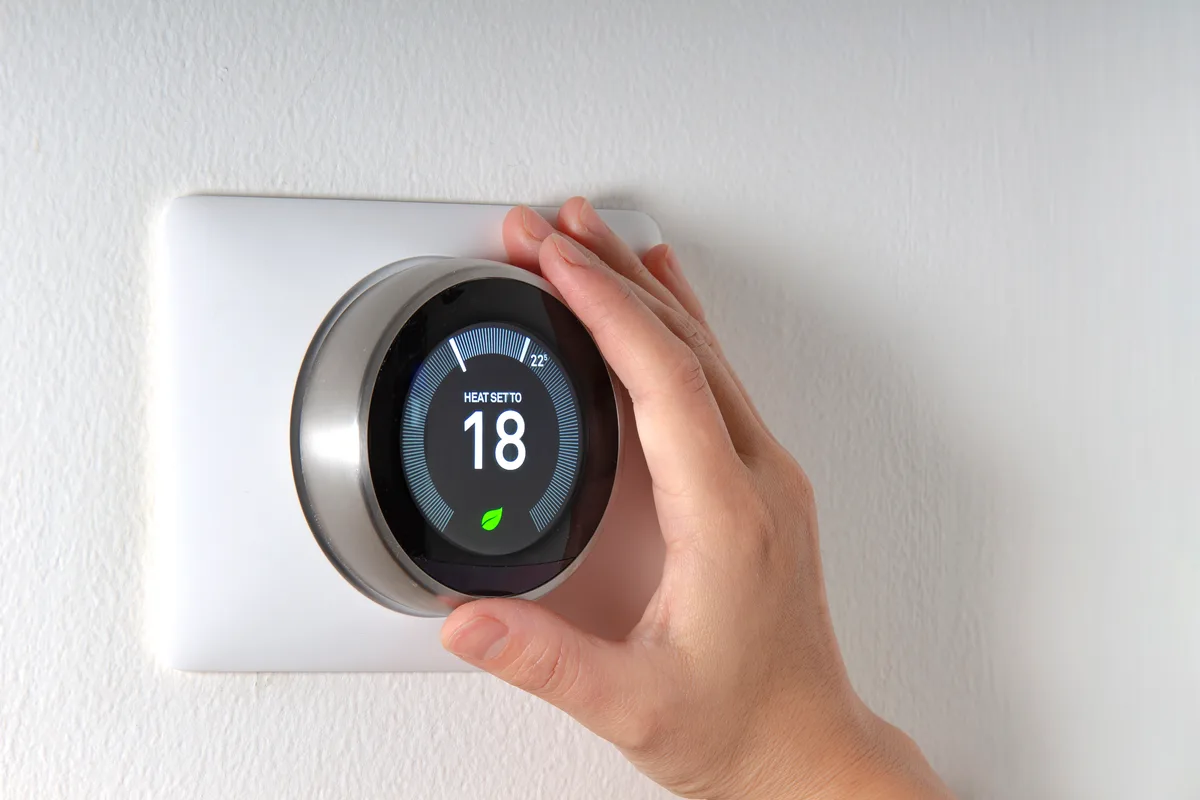
- Thermostat — wrong mode, a setpoint below room temperature, dead batteries, or a smart thermostat that rebooted into a schedule setback after a power blip.
- Tripped breaker — the furnace circuit at the panel, often tripped by a surge or by the same fault that stopped the furnace.
- Furnace power switch — the light-switch-style toggle on or beside the furnace, flipped off by someone who thought it controlled a light.
- Blower door not seated — a door switch cuts all power to the furnace when the lower panel is loose, which happens right after a filter change.
- Clogged filter — the furnace overheats, trips the high-limit, and after enough trips locks itself out.
- Full condensate trap or frozen drain line — on a high-efficiency furnace the float switch or pressure switch opens and the furnace refuses to light.
- Failed igniter, flame sensor, pressure switch or control board — the internal faults that need a technician.
- Gas supply — a closed valve, a utility interruption, or an empty propane tank in the rural parts of Halton and Hamilton.
Safe checks you can do yourself
- Thermostat: set it to Heat, raise the setpoint five degrees above the room, replace the batteries, and check it is not in Away or a scheduled setback.
- Breaker: find the breaker labelled furnace or HVAC. Push it fully off, then on, once. If it trips again, leave it — that is a short, not a nuisance trip.
- Power switch: confirm the switch on or beside the furnace is on, then wait a few minutes; a furnace runs a start-up sequence and will not light instantly.
- Blower door: push the lower panel firmly into place until it latches; the door switch behind it must be pressed in.
- Filter: pull the filter and hold it to a light. If you cannot see through it, replace it — a fresh filter can clear a limit lockout.
- Condensate: look for water on the floor or a full pump reservoir, and check any drain line that runs through a cold garage or outside for ice. Why a furnace leaks water covers clearing it.
- Gas: confirm the stove or water heater still works. If nothing on gas works, call Enbridge Gas, and do not touch the furnace's gas valve.
Read the light before you reset
Most furnaces built since the 1990s have a small window in the lower door with an LED that flashes a fault code — two flashes, three flashes, a long-short pattern — and a legend printed inside the door. Write the pattern down before you cut power, because many boards forget it on reset. A code for pressure switch, limit or ignition failure tells the technician which part to bring. Then reset once: power off for 30 seconds, then on. If the furnace locks out again, stop resetting; every failed trial wears the igniter and pushes unburnt gas into the burner box.
When it is a gas problem, leave
Stop and leave the house if you smell rotten eggs, hear hissing near the furnace or the meter, or the CO alarm sounds — then call Enbridge Gas at 1-866-763-5427 or 911 from outside. A furnace fault can be tied to carbon monoxide, which is why Ontario's Hawkins-Gignac Act requires a CO alarm near the bedrooms in every home with a fuel-burning appliance.
Why furnaces quit on the coldest nights
The failures cluster after a lake-effect snowfall or a deep cold snap for physical reasons. Snow drifts over the two PVC pipes on the side of the house and the pressure switch cannot prove a draft; frost builds inside the intake terminal; a condensate line through the garage freezes solid; and a furnace that has been running nearly continuously finally breaks the igniter that was already cracked. Clearing snow from the vent terminals — by hand, not with a shovel blade — and keeping the drain inside the heated envelope prevents the first three.
When to call a technician
If the safe checks are done and the furnace still will not start, the fault is almost always an igniter, a flame sensor, a pressure switch or a control board, all licensed-technician work. A furnace that clicks but never lights, or lights and drops out seconds later, is a flame-sensing problem; one that starts and stops repeatedly is covered in why a furnace short-cycles. Most furnace repairs in the GTA run $150–$800, with a $90–$150 diagnostic that ZK Mechanical credits toward the fix.
No heat and the basics check out? ZK Mechanical runs a 24/7 line with no after-hours surcharge for furnace repair across the GTA and Hamilton — call (647) 801-1252 or request help online. While you wait, what to do when the heat stops in winter covers keeping the house and the pipes safe.